To ensure consistent care when health needs change, long-term care plans adapt through a process of dynamic clinical assessment and interdisciplinary intervention. Facilities achieve this by triggering immediate medical re-evaluations, updating personalized care protocols to match new acuity levels, and scaling specialized services like physical therapy or wound care without disrupting the resident’s living environment.
The Importance of Clinical Agility in Care
The journey of aging is rarely a straight line. For many seniors, health is a fluid state that requires a healthcare partner capable of pivoting at a moment’s notice. When a resident experiences a change in status, whether a gradual decline in mobility or a sudden post-surgical recovery need, the “standard” care plan must be discarded in favor of a bespoke, real-time strategy. This agility is what defines the most effective nursing homes, where the focus shifts from general oversight to active, evolving medical intervention.
In high-quality settings, this transition is seamless. It begins with the vigilance of frontline caregivers who recognize the subtle signs of change, such as a decreased appetite or a slight shift in cognitive clarity. By identifying these markers early, a facility can prevent a minor health hiccup from becoming a major hospital readmission, ensuring that the resident remains in a safe, familiar environment while receiving escalated clinical support.
The Step-by-Step Process of Care Adjustment
When a resident’s baseline health shifts, a structured clinical response is triggered to ensure there are no gaps in safety or quality of life. This is not a bureaucratic process, but a medical one. For families in Howell, NJ, understanding this roadmap provides peace of mind that their loved one is never “stuck” in a care level that no longer meets their actual physical or cognitive needs.
- Trigger Event Identification: Nursing staff recognizes a change in physical or cognitive status.
- Comprehensive Re-Assessment: A formal evaluation of ADLs (Activities of Daily Living) and medical stability.
- Interdisciplinary Team (IDT) Meeting: Coordination between doctors, nurses, therapists, and dietitians.
- Care Plan Revision: Updating goals, medications, and assistance levels.
- Family Consultation: Reviewing changes with the resident’s advocates to ensure transparency.
This rigorous cycle ensures that the nursing and rehabilitation center remains proactive. By involving a diverse team of specialists, the facility can look at the resident from every angle, nutritional, physical, emotional, and pharmacological, to create a holistic path forward.
Comparing Levels of Clinical Intervention
Health changes are not always linear; sometimes a resident needs more support for a month and less the next. A premier skilled nursing facility must be equipped to scale up or down based on the resident’s current recovery or decline. This prevents “over-medicalizing” a resident who is gaining independence while ensuring those in decline are never underserved.
| Level of Change | Typical Clinical Response | Primary Goal |
| Minor/Temporary | Short-term medication adjustment or hydration therapy. | Return to the previous baseline. |
| Functional Decline | Integration of Physical or Occupational Therapy. | Restore independence and prevent falls. |
| Chronic Progression | Transition to specialized memory care or high-acuity nursing. | Manage symptoms and maximize comfort. |
| Acute Episode | Temporary 24-hour monitoring or physician-led intervention. | Stabilization and hospital avoidance. |
Our Core Philosophy: Personalized Recovery
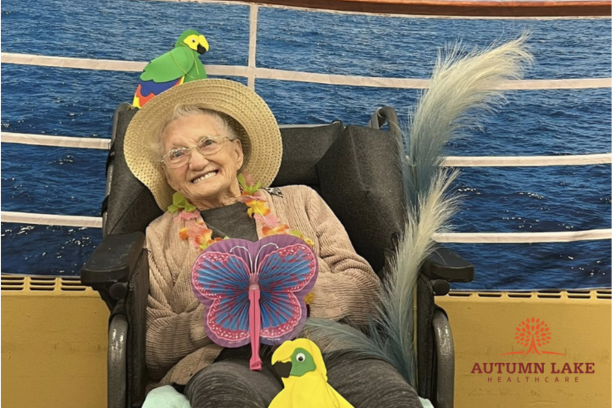
At the heart of our approach is a commitment to a philosophy that provides compassionate nursing home and rehabilitation services designed to promote comfort, healing, and quality of life. Our dedicated team of caregivers and medical professionals delivers personalized support in a warm, welcoming environment where residents can recover, regain strength, and feel truly cared for. This isn’t just a mission statement; it is the clinical framework we apply to every health transition.
When a resident’s health changes, we lean into this model by prioritizing “Comfort-First Stabilization.” This means that while we are escalating medical interventions, we are equally focused on the resident’s emotional well-being. Whether it’s a resident near the Ramtown neighborhood or someone moving into a higher level of care from an independent setting, we ensure the transition feels like a natural evolution of their daily life rather than a disruptive medical event. Our team treats the “whole person,” ensuring that as clinical needs rise, the “warm and welcoming” aspect of their environment remains constant.
The Role of Technology and Monitoring
In a modern healthcare facility, data plays a crucial role in managing health changes. Electronic Health Records (EHR) allow every member of the team, from the attending physician to the floor nurse, to see real-time updates on a resident’s vitals and behavior. This level of transparency is vital for consistency.
For example, if a resident in a local Howell, NJ community shows a slight trend in increased blood pressure over forty-eight hours, the system flags this for the nursing supervisor. We don’t wait for a crisis; we adjust the care plan based on the data trends. This “predictive” rather than “reactive” model is what separates high-performing centers from the rest.
Debunking the “One-Size-Fits-All” Care Myth
A common misconception in the long-term care industry is that “once a resident is placed in a level of care, they stay there indefinitely.” This myth is not only false but dangerous. Quality care is never a “set it and forget it” service. In reality, modern care is a sliding scale. A resident might require intensive rehabilitation for three months following a hip fracture and then successfully transition back to a lower level of daily assistance once they have regained their strength. Rigid care models fail to account for the human body’s ability to recover or the specific nuances of progressive conditions. In a top-tier healthcare center, the goal is always the “Least Restrictive Environment.” We want residents to have exactly the amount of help they need, no more and no less, to maintain their dignity and independence.
Ensuring Continuity Through Resident-Caregiver Bonds
One of the most effective ways to manage health changes is through “consistent assignment.” This is the practice of having the same group of nurses and aides work with the same residents every day. When a caregiver knows a resident’s “normal”, their jokes, their walking gait, their morning routine, they are the first to notice when something is slightly off. During recent care reviews for families in the Fairfield area of Howell, we found that consistent assignment reduced hospitalizations because the caregivers act as an early-warning system.
Frequently Asked Questions
How often are care plans reviewed in long-term care?
Care plans are typically reviewed every 90 days, but they are updated “as needed” whenever a significant change in a resident’s status occurs.
Can a resident move back to a lower level of care?
Yes. Through aggressive rehabilitation and skilled nursing intervention, many residents regain lost skills and can transition back to a more independent lifestyle.
Do families have a say in care plan changes?
Absolutely. Families and healthcare proxies are integral members of the Interdisciplinary Team. No major change to a care plan is implemented without a consultation with the resident’s representatives.
To Sum Up
At Autumn Lake Healthcare, we understand that trust is built through consistency. Our approach provides compassionate nursing home and rehabilitation services designed to promote comfort, healing, and quality of life. Our dedicated team of caregivers and medical professionals delivers personalized support in a warm, welcoming environment where residents can recover, regain strength, and feel truly cared for.
Whether your loved one is recovering from an injury or requires long-term clinical oversight, we are here to navigate every health change with expertise and heart.
Ready to learn more about our personalized care transitions? Visit us today to schedule a tour or speak with our admissions team.