

To choose the right nursing home, you must prioritize five critical factors: certified staffing ratios, CMS quality star ratings, clinical safety measures, financial transparency regarding Medicare/Medicaid, and specialized rehabilitation services. Evaluating these elements ensures your loved one receives a balance of medical expertise and personal dignity in a secure environment.
Selecting a long-term care facility is a pivotal decision for any family. It is not merely about finding a bed; it is about finding a high-tier healthcare center that maintains the warmth of a private residence. The transition requires a blend of data-driven research and intuitive observation to ensure the facility aligns with your loved one’s specific medical and social needs.
1. Evaluating Staffing Ratios and Caregiver Consistency
The most sophisticated medical equipment cannot replace the presence of a skilled nurse. When researching nursing homes & elder care, the first metric to audit is the “Hours Per Resident Day” (HPRD). This figure represents the actual time a resident spends with a Registered Nurse (RN), Licensed Practical Nurse (LPN), and Certified Nursing Assistant (CNA). High staffing ratios are the primary indicator of resident safety, as they directly correlate to lower fall rates and faster response times.
During a recent quality audit for a facility in Howell, we observed that the most successful outcomes occurred when the CNA-to-resident ratio remained consistent. High staff turnover is a red flag; you want a facility where caregivers know a resident’s favorite morning routine and can spot the subtle changes in demeanor that might indicate a developing health issue.
Staffing Standard Comparison
| Staff Category | Federal Minimum Guideline | Industry “Gold Standard” |
| Total Nursing (HPRD) | 3.48 Hours | 4.1+ Hours |
| Registered Nurse (RN) | 0.55 Hours | 0.75+ Hours |
| Nurse Aide (CNA) | 2.45 Hours | 2.8+ Hours |
2. Analyzing Quality Measures and Inspection Reports
While brochures provide a visual overview, the “Form CMS-2567” tells the clinical story. This is the official Statement of Deficiencies issued by state inspectors. When evaluating reputable rehab homes, you must look beyond lobby aesthetics and review the health inspection history. A quality facility will have no “Immediate Jeopardy” citations and a clear, documented “Plan of Correction” for any past administrative tags.
We often tell families navigating the neighborhoods of Freewood Acres that a 5-star rating is only a starting point. Pay close attention to “Quality Measures” such as the percentage of residents with new or worsened pressure ulcers. A low percentage here indicates that staff are diligent in repositioning residents and maintaining skin integrity, a hallmark of high-quality clinical care.
3. Prioritizing Specialized Rehabilitation and Clinical Services
Not all facilities offer the same level of medical intervention. If your loved one is recovering from a stroke, hip replacement, or cardiac event, the facility must operate as a high-acuity rehabilitation center. This includes on-site physical, occupational, and speech therapists who work daily to maximize the window of recovery during the sub-acute phase.
- Physical Therapy: Focuses on gait training, balance, and strengthening.
- Occupational Therapy: Relearning “Activities of Daily Living” (ADLs) like dressing.
- Speech Therapy: Essential for swallowing disorders and cognitive communication.
- Specialized Nursing: Verify whether they have wound-care-certified nurses or IV therapy capabilities.
4. Safety Features and the Physical Environment
The building’s physical layout is a silent contributor to residents’ quality of life. During a tour of a facility near Ramtown, we recommend that families look for “hidden” safety features. This includes non-slip flooring, easy-to-grip handrails, and a call bell system accessible from both the bed and the bathroom.
Security is vital for residents with cognitive impairment. A top-tier facility will have secured perimeters and “WanderGuard” systems to prevent elopement while still allowing residents the freedom to move through the hallways. The goal is to create a sense of home living that doesn’t sacrifice the rigorous safety protocols required in a clinical setting.
5. Financial Transparency and Coverage Navigation
Medicare generally covers up to 100 days of skilled nursing care following a qualifying hospital stay, but it does not cover long-term custodial care. For longer stays, you will need to discuss “spend-down” processes for Medicaid or private pay rates with the admissions coordinator. Clear financial communication from the start prevents unexpected billing cycles during an already stressful transition.
Our Approach: The Autumn Lake Standard
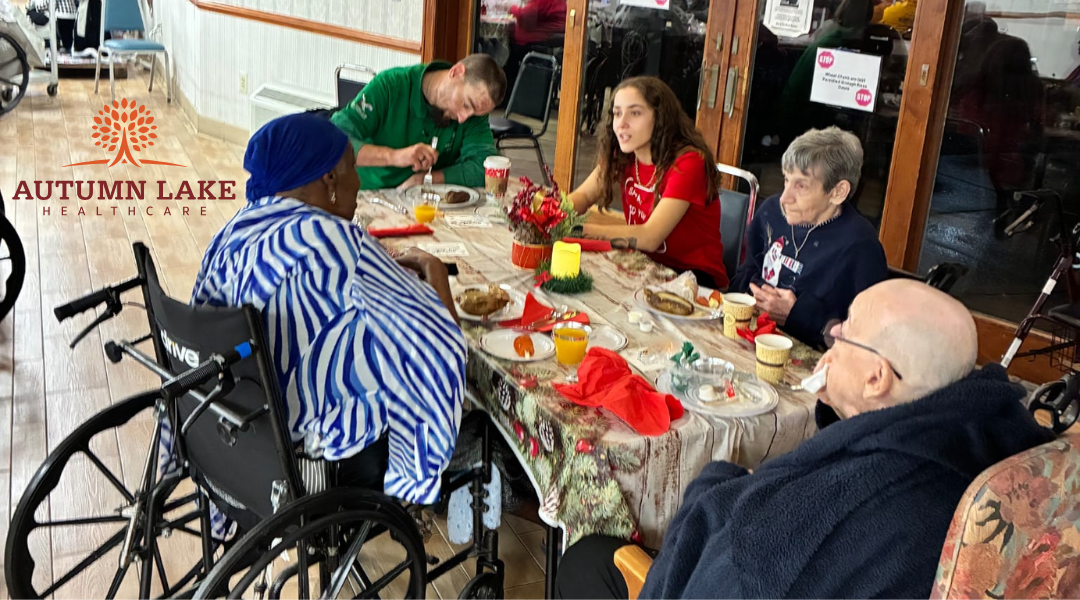
At our facilities, we adhere to a specific philosophy of care that transcends basic requirements. We provide compassionate nursing home and rehabilitation services designed to promote comfort, healing, and quality of life. Our dedicated team of caregivers and medical professionals delivers personalized support in a warm, welcoming environment where residents can recover, regain strength, and feel truly cared for.
This standard ensures we treat every resident as an individual with a unique history. By integrating this personalized support into our daily clinical routines, we ensure that the “healing” aspect of our mission is as robust as the “medical” aspect. Whether a resident is with us for ten days or ten years, our team is trained to foster an environment where they feel seen, heard, and valued.
Common Industry Myth: “Nursing Homes are Only for Permanent Care”
A prevalent misconception is that entering a skilled nursing facility is always a permanent move. In reality, modern facilities function as “Post-Acute” hubs. Data shows that a significant percentage of residents utilize these centers as a bridge between the hospital and home, graduating from their programs once they have regained sufficient independence.
Frequently Asked Questions
What is the difference between a nursing home and assisted living?
Nursing homes provide 24/7 skilled medical care, while assisted living is for individuals who need help with daily tasks but do not require constant clinical intervention.
How do I check a facility’s complaint history?
Visit the CMS Nursing Home Compare website or contact the State Long-Term Care Ombudsman to view formal complaints and survey results.
Can I visit a loved one at any time?
Most facilities offer flexible visitation to encourage family involvement, though specific hours may be recommended to avoid interrupting therapy sessions or rest periods.
To Sum Up
At Autumn Lake Healthcare, we understand you aren’t just looking for a facility, you’re looking for peace of mind. Our centers provide the highest quality clinical care while maintaining the dignity and comfort your loved one deserves.
Ready to see our care in action? Visit us to schedule a tour and learn how our dedicated team can support your family’s journey toward recovery.