How to Transition from Hospital to Skilled Nursing Without Losing Medicare Coverage

To transition from a hospital to a skilled nursing facility without losing Medicare coverage, you must complete a three-midnight inpatient hospital stay and be admitted to a Medicare-certified facility within 30 days of discharge. A physician must certify that you require daily skilled care or rehabilitative therapy for the same condition treated during your qualifying hospital stay.

The Medicare Coverage Requirement Checklist

Navigating federal guidelines for post-acute care is often the most stressful part of a medical crisis. Missing a single technicality can result in a total denial of benefits, leaving families to shoulder the cost of a nursing care center out-of-pocket. To ensure your stay is fully funded by Medicare Part A, you must meet four non-negotiable criteria: 3-midnights of inpatient status, a 30-day transfer window, documented medical necessity, and facility certification.

During a recent case review for a family in Howell, NJ, we found that the hospital had mistakenly kept the patient under “Observation” for the entire stay. Because observation is billed differently than inpatient status, it would have invalidated their benefits if not corrected before discharge.

Comparing Observation Status vs. Inpatient Admission

“Observation Status” is the primary reason Medicare denies skilled care claims. Hospitals use this classification for patients who are stable but require further monitoring. Even if you stay in a hospital bed for a week and are labeled “Observation,” the 3-midnight clock never starts. If you are a resident in one of our Service Areas, always ask the charge nurse specifically whether the doctor has written an order to change your status to inpatient, to ensure you are eligible for nursing care and a rehabilitation center.

Feature Inpatient Admission Observation Status
Medicare Classification Covered under Part A Covered under Part B (Outpatient)
Count toward 3-Day Rule Yes No
SNF Coverage Eligibility Fully Eligible Not Eligible

Step-by-Step Transition Protocol

Securing a spot in a high-quality rehabilitation facility requires proactive communication. Do not wait for the hospital discharge planner to make the first move. You should begin by confirming your inpatient status every 24 hours and requesting the Medicare Outpatient Observation Notice (MOON) if you are held longer than a day without admission. Once status is confirmed, your medical records must be audited to ensure the physician’s notes explicitly justify the need for daily professional therapy.


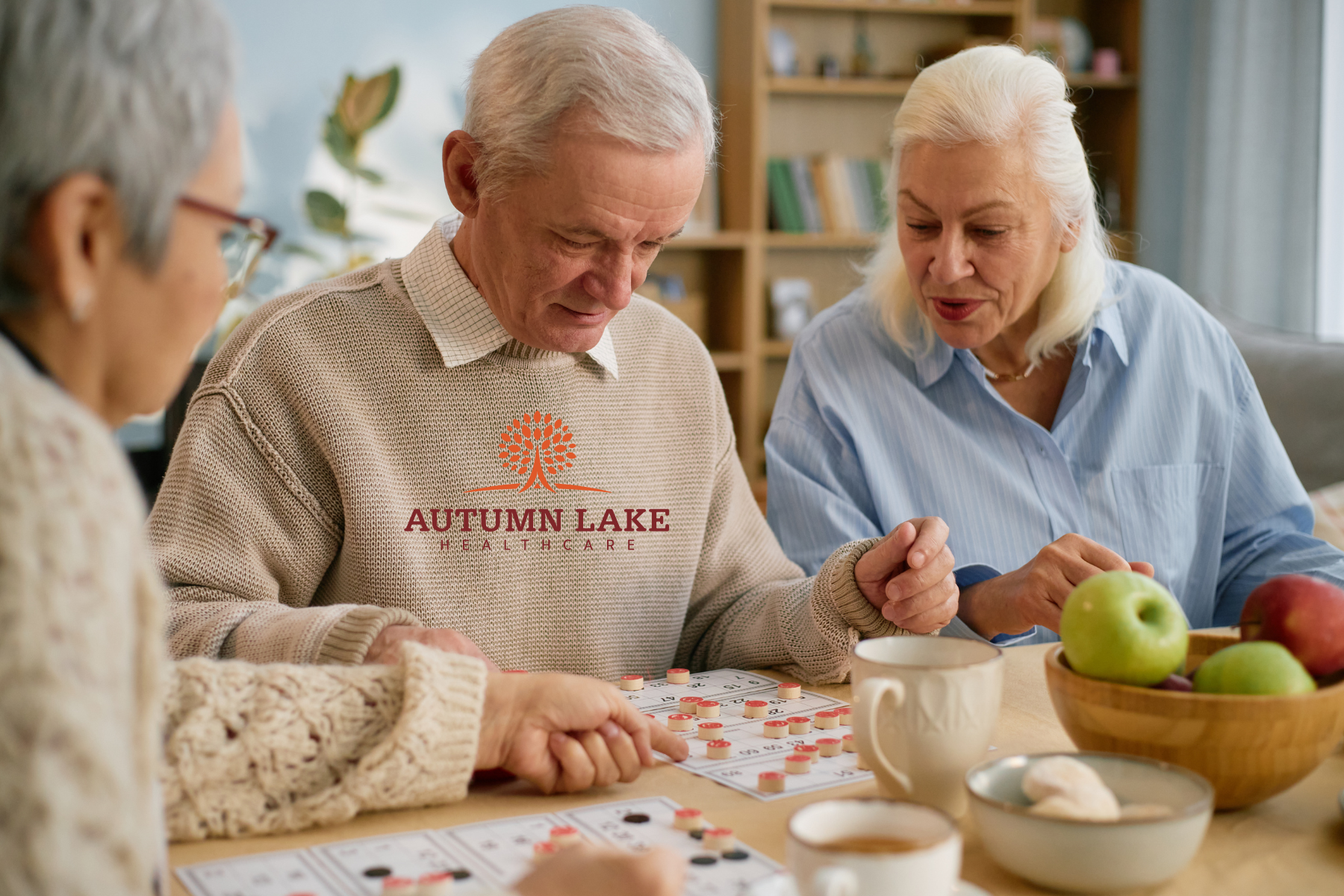
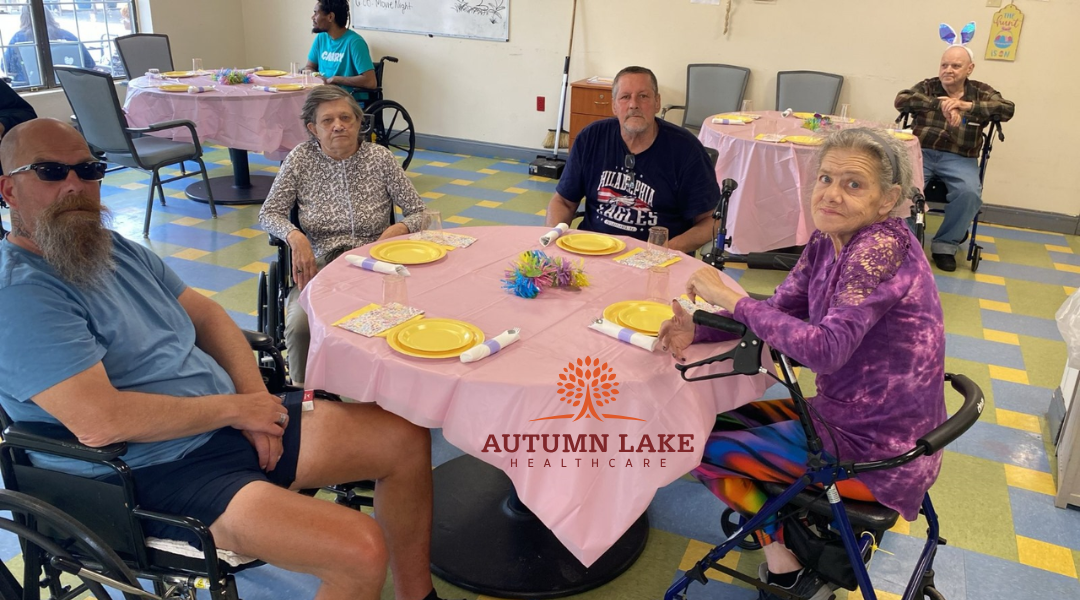
Seniors at a nursing home playing a board game together at a table.


Applying our “Holistic Healing Blueprint” to Solve This

At our facilities, we bypass the typical administrative friction by applying our proprietary Holistic Healing Blueprint. This approach ensures that the transition is a bridge to recovery rather than a bureaucratic hurdle.

Our skilled team provides personalized treatment plans in a warm, supportive environment where residents can heal, regain strength, and experience a higher quality of life with trusted, professional care tailored to their needs.

We implement this in Howell, NJ, and throughout our network by assigning a dedicated transition coordinator to every patient. This specialist reviews hospital coding in real-time, ensuring that the “personalized treatment plan” begins with a secure financial foundation at our Autumn care nursing home. This allows the patient to focus entirely on “regaining strength” without the stress of insurance denials.

Debunking the “ER Count” Myth

A common misconception is that time spent in the Emergency Room counts toward the 3-midnight requirement. It does not. The “Medicare Clock” only begins at the specific hour a physician signs the inpatient admission order. If you enter the ER in Howell, NJ, on a Monday night but aren’t admitted to a room until Tuesday morning, Monday does not count toward your eligibility for a rehab care center.

Key Definitions for SNF Transitions

  • Skilled Care: Health care that requires the specialized training of a nurse or physical therapist.
  • Benefit Period: A period that begins the day you’re admitted and ends when you haven’t received inpatient care for 60 days.
  • QIO (Quality Improvement Organization): External experts who handle appeals if you believe you are being discharged too early.
  • MDS (Minimum Data Set): The clinical assessment tool used by every nursing care center to determine the level of care required.

Frequently Asked Questions

Does Medicare cover 100% of the costs?

Medicare Part A covers 100% for the first 20 days. Days 21–100 require a daily co-insurance payment.

Can I go home before going to a facility?

Yes, as long as you are admitted to the rehabilitation facility within 30 days of a qualifying hospital stay for the same condition.

What if I have Medicare Advantage?

Many Advantage plans waive the 3-midnight rule, but they almost always require “prior authorization” before you can transfer to a facility.

To Sum Up

Managing a healthcare transition shouldn’t feel like a solo effort. At Autumn Lake Healthcare, we provide the clinical expertise and administrative advocacy needed to protect your benefits.

Ready to secure your recovery?

Visit us to find a location in our Service Areas or to speak with an admissions expert about your transition today.

Assisted Living vs. Nursing Home: When is a Higher Level of Care Required?

A higher level of care is required when a senior’s medical needs exceed “custodial care” and demand 24/7 skilled medical intervention or frequent clinical monitoring. While assisted living provides help with daily activities like dressing and bathing, a nursing home is necessary for managing complex chronic conditions, advanced memory loss, or intensive rehabilitation needs that require a licensed medical team.

Determining the right time to transition a loved one can be one of the most emotionally taxing decisions a family faces. However, understanding the clinical triggers that differentiate these two levels of care is essential for ensuring the safety and longevity of your family member.

Understanding the Threshold: Assisted Living vs. Nursing Home

The transition from an assisted living facility to a nursing center is rarely dictated by age; instead, it is driven by “clinical acuity”, a term healthcare professionals use to describe the intensity of medical care a person requires.

In an assisted living setting, the focus is on hospitality and socialization. Residents live in apartment-style environments and receive help with “Activities of Daily Living” (ADLs). However, when a resident’s health destabilizes, the residential model of assisted living may no longer be safe. This is where a rehabilitation home or skilled nursing facility steps in to provide a clinical environment focused on medical stability.

Side-by-Side Comparison of Care Levels

Feature Assisted Living (ALF) Nursing Home (SNF)
Primary Goal Independence & Socialization Medical Stability & Safety
Medical Staff LPNs/Aides (on-call RNs) 24/7 On-site RNs & Physicians
Care Level Assistance with ADLs (Bathing, Dressing) Extensive Medical/Clinical Care
Environment Residential Apartment-style Clinical/Hospital-style
Medication Management/Reminders Administration (IVs, Injections)

5 Critical Signs a Higher Level of Care is Required

If your loved one is currently receiving care at home or in an assisted living community, certain “red flags” indicate that a more robust elder care center environment is needed. During recent assessments for families in Howell, NJ, our clinical teams identified these five recurring indicators:

1. Chronic Wound Care Requirements

Assisted living facilities are generally not equipped to handle complex wound care. If a senior develops Stage III or IV pressure sores or has surgical wounds that require sterile dressing changes multiple times a day, they require the specialized equipment and licensed expertise found in a nursing home.

2. Cognitive Decline and “Exit Seeking.”

While many assisted living facilities have memory care wings, there is a limit to the security they can provide. When dementia progresses to a stage where a senior is constantly “exit seeking” or wandering into unsafe areas, the 24/7 supervised environment of a dedicated nursing center becomes a matter of life or death.

3. The Need for Mechanical Transfers

Safety is a primary concern in our service areas. In an assisted living setting, staff can usually help a resident stand or walk. However, if a senior becomes “non-weight bearing” and requires a Hoyer lift or a two-person assist for every movement, they typically meet the clinical threshold for a higher level of care.

4. Complex Medical Equipment Dependence

Facilities like an autumn lake nursing home are designed to manage medical technology that assisted living staff cannot legally or logically handle. This includes ventilators, frequent tracheostomy suctioning, or the administration of sliding-scale insulin and IV medications.

5. Frequent Hospital Readmissions

If a senior is stuck in a “revolving door” of hospital visits, returning home only to be readmitted within weeks, it is a sign that their current environment cannot manage their medical frailty. A rehabilitation home provides the bridge needed to break this cycle through constant monitoring.


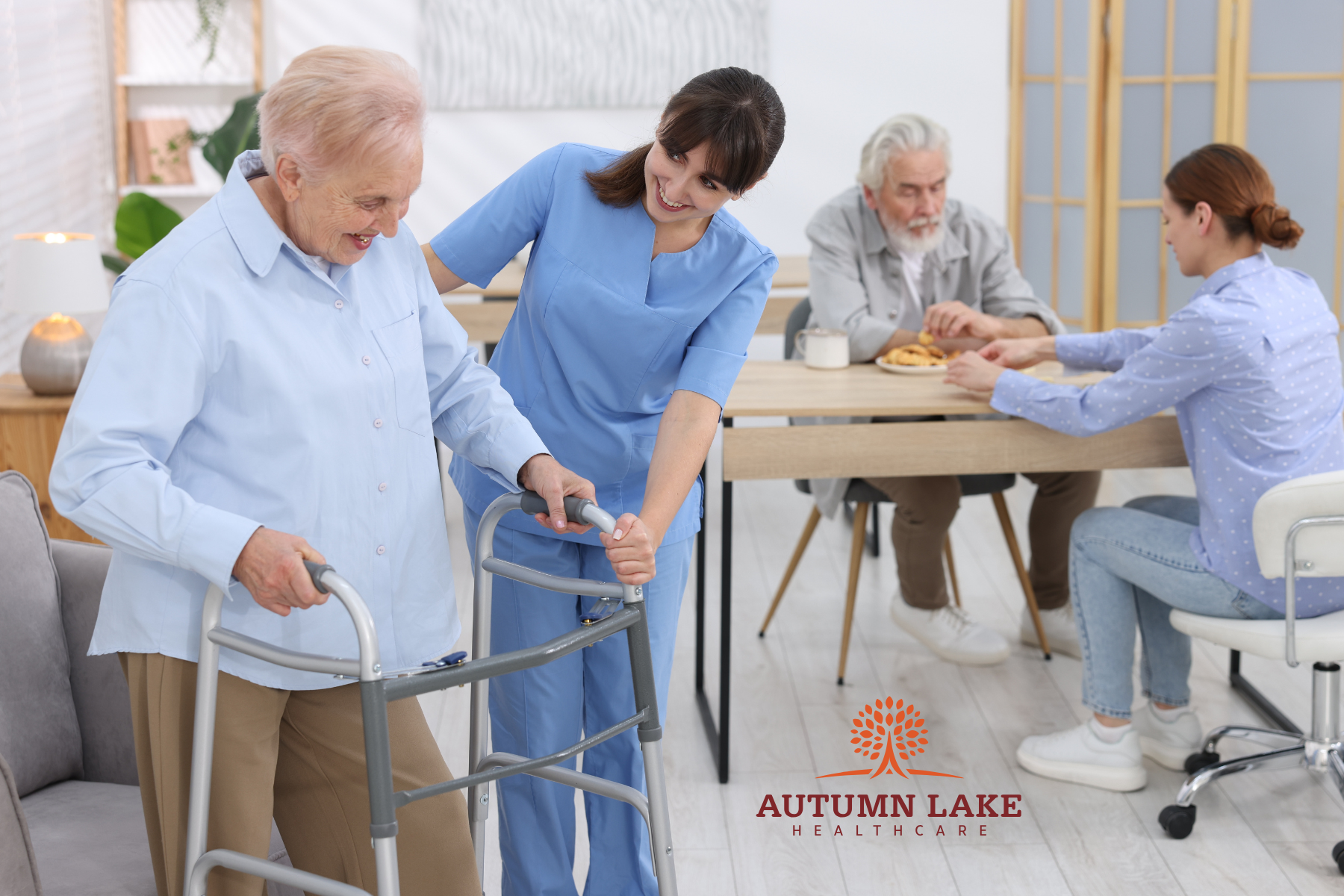
A nurse assisting a senior resident with a walker in a nursing home.


Debunking the “End of Independence” Myth

A common industry misconception is that moving to a nursing home means the total loss of autonomy or the “final” move. This is a significant myth that often prevents families from seeking help when they need it most.

In reality, many residents enter a rehabilitation home for short-term “sub-acute” care. Perhaps they suffered a fall in Howell, NJ, or are recovering from a stroke. The goal of the modern elder care center is often restorative. By providing intensive physical and speech therapy, we help residents regain enough strength to actually return to a lower level of care, such as assisted living or their own private residence.

Our Philosophy: The Path to Quality of Life

We believe that a transition in care should not be viewed as a step back, but as a step toward better health. Our skilled team provides personalized treatment plans in a warm, supportive environment where residents can heal, regain strength, and experience a higher quality of life with trusted, professional care tailored to their needs.

This proprietary approach ensures that we aren’t just treating a diagnosis; we are caring for a person. By integrating clinical excellence with a “home-like” atmosphere, we address the emotional needs of our residents in Howell, NJ, as much as their physical ones. We focus on:

  • Healing: Using advanced modalities to accelerate recovery.
  • Strength: Tailored PT and OT programs to improve mobility.
  • Quality of Life: Ensuring that even those with chronic conditions find joy and social connection daily.

Key Specifications for Placement

When evaluating potential service areas and facilities, keep this checklist of specifications in mind:

  • ADL Support: Does the facility provide 24/7 help with feeding, toileting, and grooming?
  • IADL Support: Is there assistance for instrumental activities like communication and cognitive therapy?
  • Skilled Services: Does the center offer on-site Physical Therapy (PT), Occupational Therapy (OT), and Speech Therapy (ST)?
  • Custodial Care: Does the facility provide non-medical supervision for those who are physically healthy but cognitively impaired?

Why Professional Placement Matters

Navigating the healthcare system is complex. Whether you are looking for an autumn lake nursing home or a specialized rehabilitation home, the criteria for admission are strict. Insurance providers, including Medicare and Medicaid, require specific documentation to prove that a “higher level of care” is medically necessary. Our teams across our various service areas work directly with hospitals and primary care physicians to streamline this documentation, ensuring your loved one isn’t caught in a bureaucratic delay.

Frequently Asked Questions

Does Medicare pay for assisted living?

No, Medicare generally does not cover the “room and board” costs of assisted living. It is primarily designed to cover medical expenses. However, Medicare often covers a stay in a nursing home or rehabilitation home for a limited period following a qualifying hospital stay.

What is the main difference between a nursing home and an elder care center?

Often, these terms are used interchangeably. A nursing home typically refers to a facility providing long-term residential medical care, while an elder care center may encompass a broader range of services, including adult day care, assisted living, and skilled nursing.

How do I know if my parent needs “Skilled Nursing” instead of just help at home?

If your parent requires medical procedures that only a licensed nurse can perform, such as IV therapy, wound care, or monitoring of unstable vital signs, they require skilled nursing. If they only need help with cooking and cleaning, they may only require home care or assisted living.

Can a resident be moved from assisted living to a nursing home against their will?

Facilities have “discharge triggers” based on state regulations. If a resident’s safety is at risk because their medical needs exceed what the facility is licensed to provide, the facility is legally required to transition them to a higher level of care to ensure their safety.

To Sum Up

Choosing between assisted living and a nursing home is a journey no one should take alone. At Autumn Lake Healthcare, we specialize in providing that “higher level of care” with a focus on dignity and clinical results. Whether you are seeking a short-term rehabilitation home or long-term support in an elder care center, our team is here to guide you through every step of the process. For more information about our service, contact us to schedule a tour!

Best Ways to Choose a Short-Term Rehab After Surgery

To choose the best short-term rehab in Howell, NJ, look for a skilled nursing facility that maintains a 5-star rating in “Short-Stay Quality Measures” and provides seven-day-a-week physical therapy. Prioritize centers that utilize a multidisciplinary team of doctors and specialists to create a personalized recovery plan tailored to your specific surgical goals.

For families in neighborhoods like The Villages, Ramtown, and Westshore, the transition from CentraState Medical Center to post-acute care is a critical window for long-term health. Choosing a nursing and rehabilitation center is no longer just about the closest location; it is about finding a clinical partner capable of managing complex 2026 recovery protocols while providing a comfortable, upscale environment.

At Autumn Lake Healthcare, we understand that true healing requires more than just medicine. We believe that well-trained, compassionate, and experienced doctors, therapists, and specialists comprise a comprehensive team devoted to creating personalized havens of hospitality throughout each individual’s recovery process.

How to Find Top-Rated Rehabilitation Centers

1. Evaluate Short-Stay Quality Metrics

When researching a nursing home along the Route 9 corridor, focus on the CMS “Short-Stay” star rating. This metric tracks how often patients are successfully discharged to the community and the functional improvement they achieve during their stay.

2. Verify Therapy Frequency

The benefits of a high-performing elder care center include daily access to movement. In Howell, leading facilities offer “sub-acute” programs where physical and occupational therapy are available seven days a week, preventing the “weekend plateau” that can often delay your return to an active lifestyle.

3. Inspect the Clinical Specialization

Not all centers are equipped for every surgery. Ensure the facility has specific experience with:

  • Orthopedic Recovery: Hip, knee, and shoulder replacements.
  • Cardiac Rehabilitation: Post-stent or bypass surgery monitoring.
  • Neurological Care: Specialized stroke or Parkinson’s recovery.

The Autumn Lake Difference: Hospitality Meets Healing

In our senior living and rehab programs, we reject the idea that a medical stay must feel “institutional.” Our philosophy of personalized havens of hospitality means that while you receive expert clinical care, you are treated with the warmth and dignity of a guest in a premium setting.

Our comprehensive team of specialists ensures that your recovery is:

  • Doctor-Led: Constant oversight by experienced physicians.
  • Therapist-Driven: Personalized PT and OT goals designed for your specific home layout.
  • Patient-Centered: Your preferences, from dietary needs to social interaction, guide the recovery process.


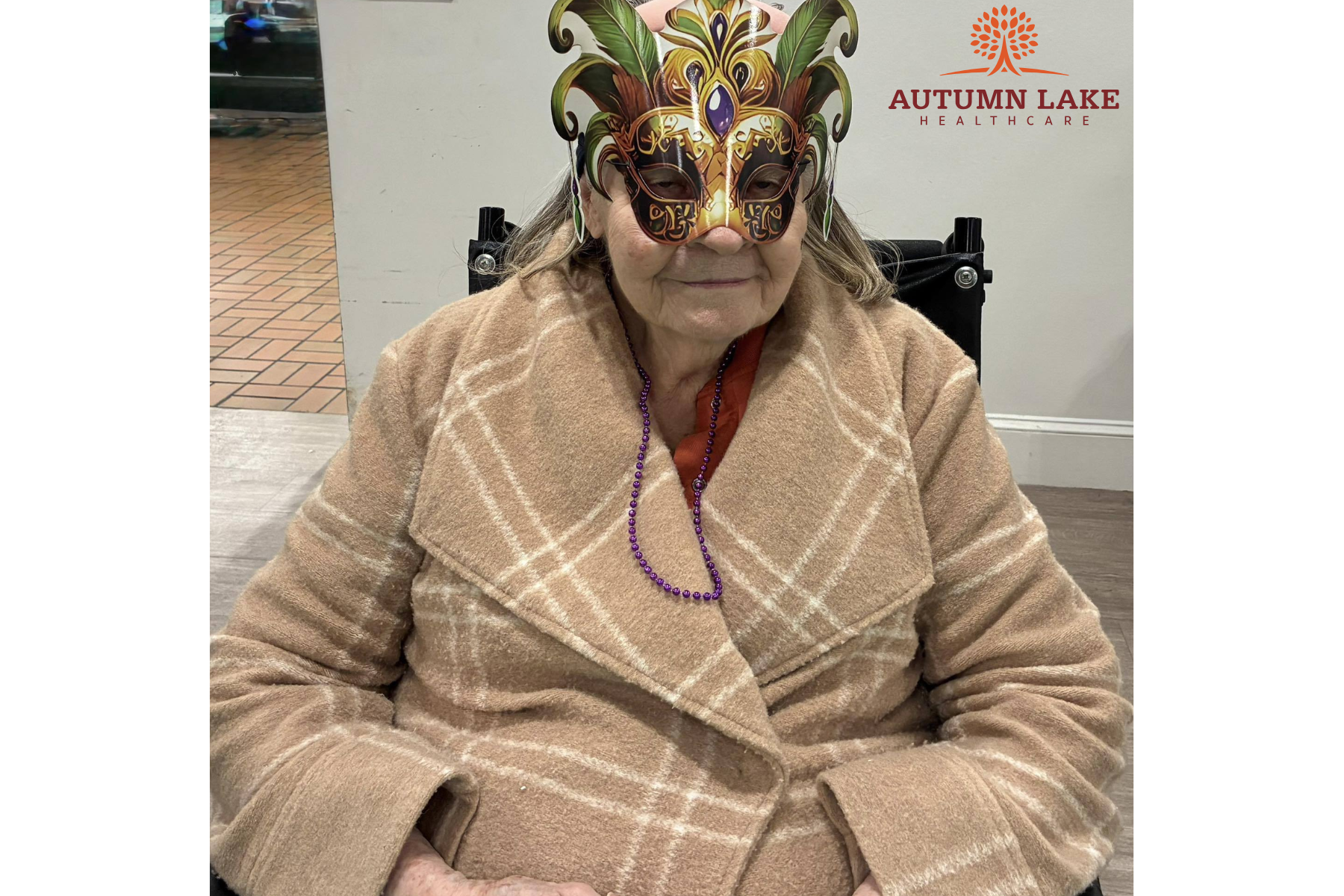
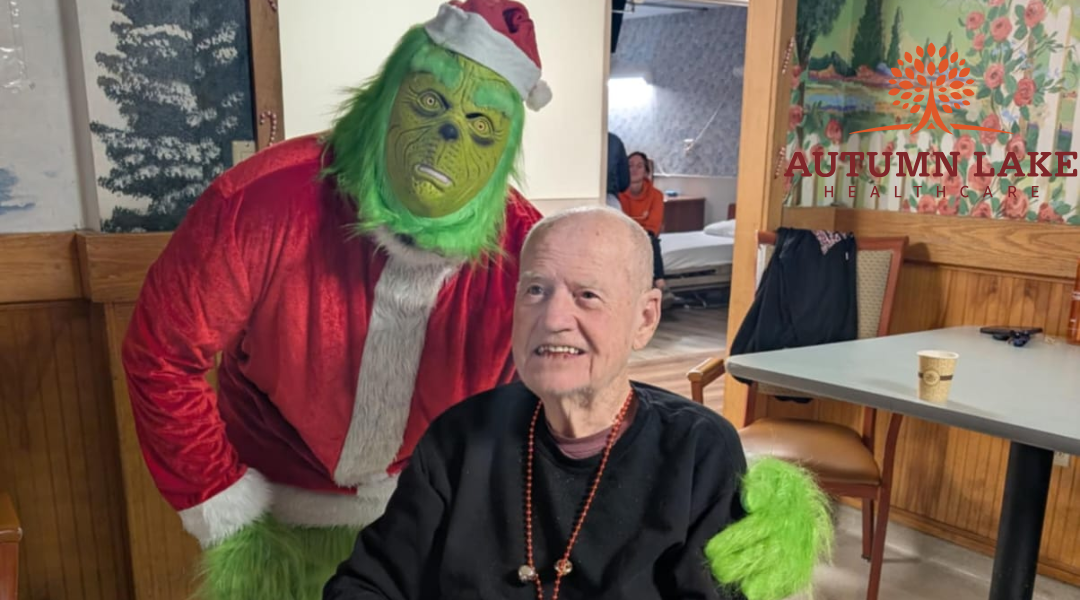
Senior in a nursing home wearing a plaid coat, purple beads, and mask


Common Misconceptions About Local Rehab

  • Myth: “You must use the rehab facility attached to your hospital.”
  • Fact: You have the legal right to choose any skilled nursing facility that accepts your insurance.
  • Myth: “Rehab is only for seniors who can no longer live alone.”
  • Fact: Most residents in our Howell program are active adults who simply need 10–14 days of intensive therapy to return to their independent lifestyle.

Pro-Tip: Before choosing a center, ask to see their “Home Transition” room. High-quality facilities often have a dedicated space that mimics a home kitchen or bathroom to ensure you can safely navigate your own house in Ramtown or Squankum before you are discharged.

Frequently Asked Questions

What is the difference between a nursing home and a rehabilitation center?

A nursing home typically provides long-term custodial care. In contrast, a nursing and rehabilitation center focuses on short-term, intensive clinical therapy (sub-acute care) designed to return a patient to their home after a hospital stay.

Does Medicare cover my stay at a skilled nursing facility? 

Medicare Part A generally covers 100% of the first 20 days of a stay following a qualifying hospital visit. From days 21–100, there is a daily co-insurance fee.

Can my family visit me while I am in rehab? 

Yes. At Autumn Lake Healthcare, we encourage family involvement as it is a key component of the recovery process. Our location on Route 9 makes it easy for family members in Howell and Freehold to visit frequently.

To Sum Up

Choosing the right care team is the first step toward reclaiming your independence. At Autumn Lake Healthcare, we combine clinical mastery with a warm, welcoming environment.

What is the step-by-step process for moving a parent from a hospital to a local short-term rehab facility?

To move a parent from a Howell, NJ hospital to a local short-term rehab facility, you must first ensure they have a qualifying three-day inpatient hospital stay to trigger Medicare coverage. The process involves collaborating with hospital discharge planners at centers such as CentraState or Monmouth Medical, selecting a Medicare-certified rehabilitation center, and coordinating medical transportation to ensure a seamless transition.

Navigating the Move: A Guide for First-Time Caregivers in Howell

If you are a first-time caregiver, you’ve likely spent the last few days in a whirlwind of hospital corridors and medical jargon. Whether your loved one is currently at Monmouth Medical Center Southern Campus or CentraState Medical Center in Freehold, the transition to a nursing home center or dedicated recovery wing can feel overwhelming.

In Howell, NJ, we are lucky to have a community that values its seniors, from the peaceful neighborhoods of Ramtown to the vibrant senior communities near The Landings. However, the logistical “how-to” of moving from acute hospital care to a recovery setting requires a clear roadmap. At Autumn Lake Healthcare, we believe that this transition shouldn’t just be a medical transfer; it should be the first step into a supportive environment designed for healing.

How to Move from Hospital to Rehab: A Step-by-Step Process

  1. Verify the “3-Day Rule” for Medicare Coverage

Before leaving the hospital, confirm that your parent has been admitted as an “inpatient” for at least three consecutive days (not including the day of discharge). This status is what allows nursing homes in the Howell area to properly bill Medicare for your parent’s specialized care.

Pro-Tip: Always ask the hospital social worker specifically if your parent is on “Observation Status” or “Inpatient Status.” If it’s the former, Medicare may not cover the rehab stay.

  1. Select Your Local Rehabilitation Center.

You have the right to choose where your parent goes. Don’t feel pressured to pick the first name on a list. Look for a rehabilitation center along the Route 9 corridor or near Aldrich Road that specializes in the specific care your parent needs, whether it’s orthopedic recovery or stroke rehab.

  1. The Clinical Referral and Review

Once you’ve chosen a center, like our nursing homes & elder care, the hospital will send a clinical packet to the facility’s admissions team. Our well-trained, compassionate, and experienced doctors, therapists, and specialists comprise a comprehensive team dedicated to creating personalized havens of hospitality throughout each individual’s recovery. This means we don’t just look at the charts; we look at the person.

  1. Coordinate Medical Transportation

Most patients moving into a skilled facility require non-emergency medical transport. The hospital discharge planner usually arranges this, but you should confirm the pickup time to ensure you can meet your loved one at the facility for their “Welcome Home” intake.


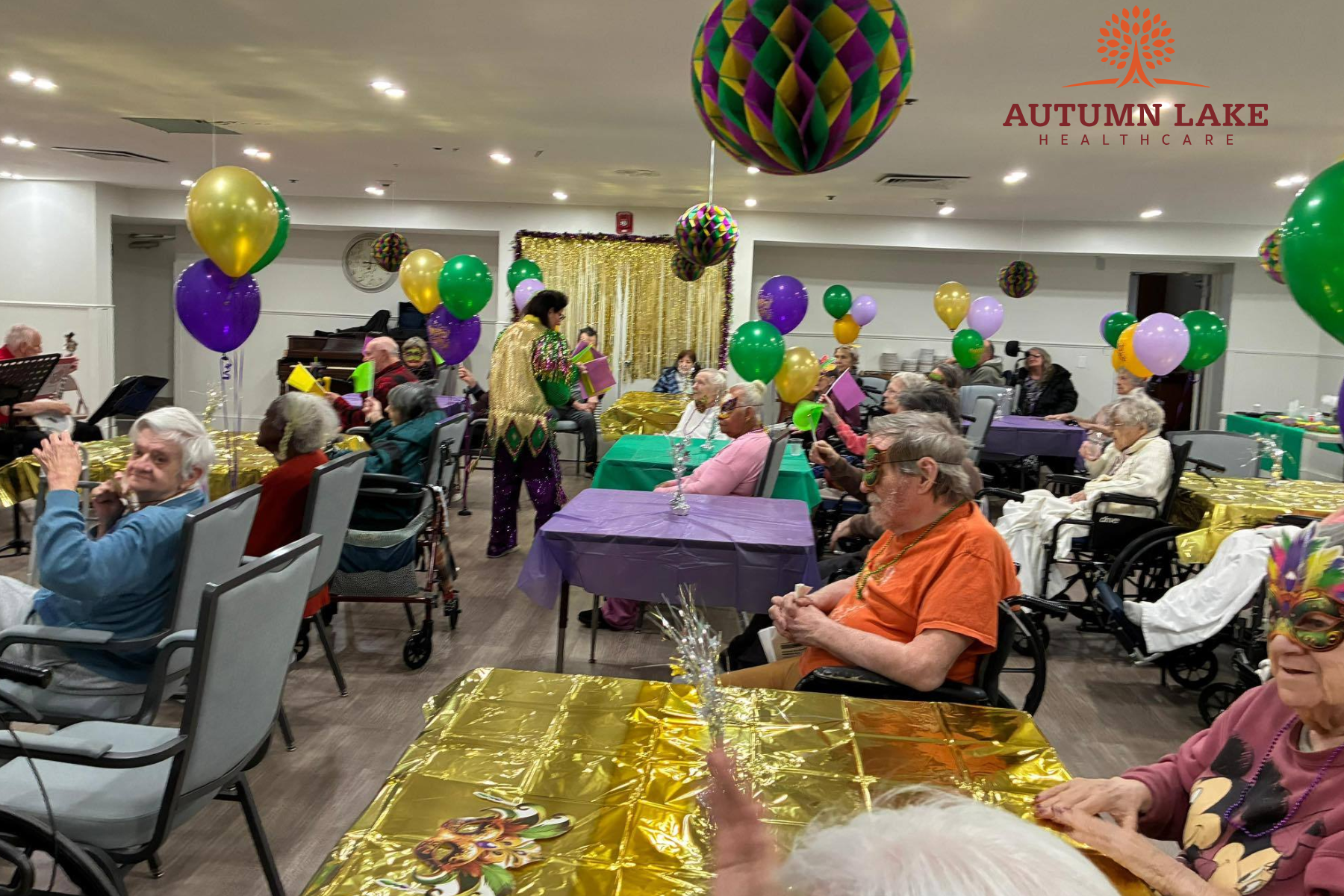
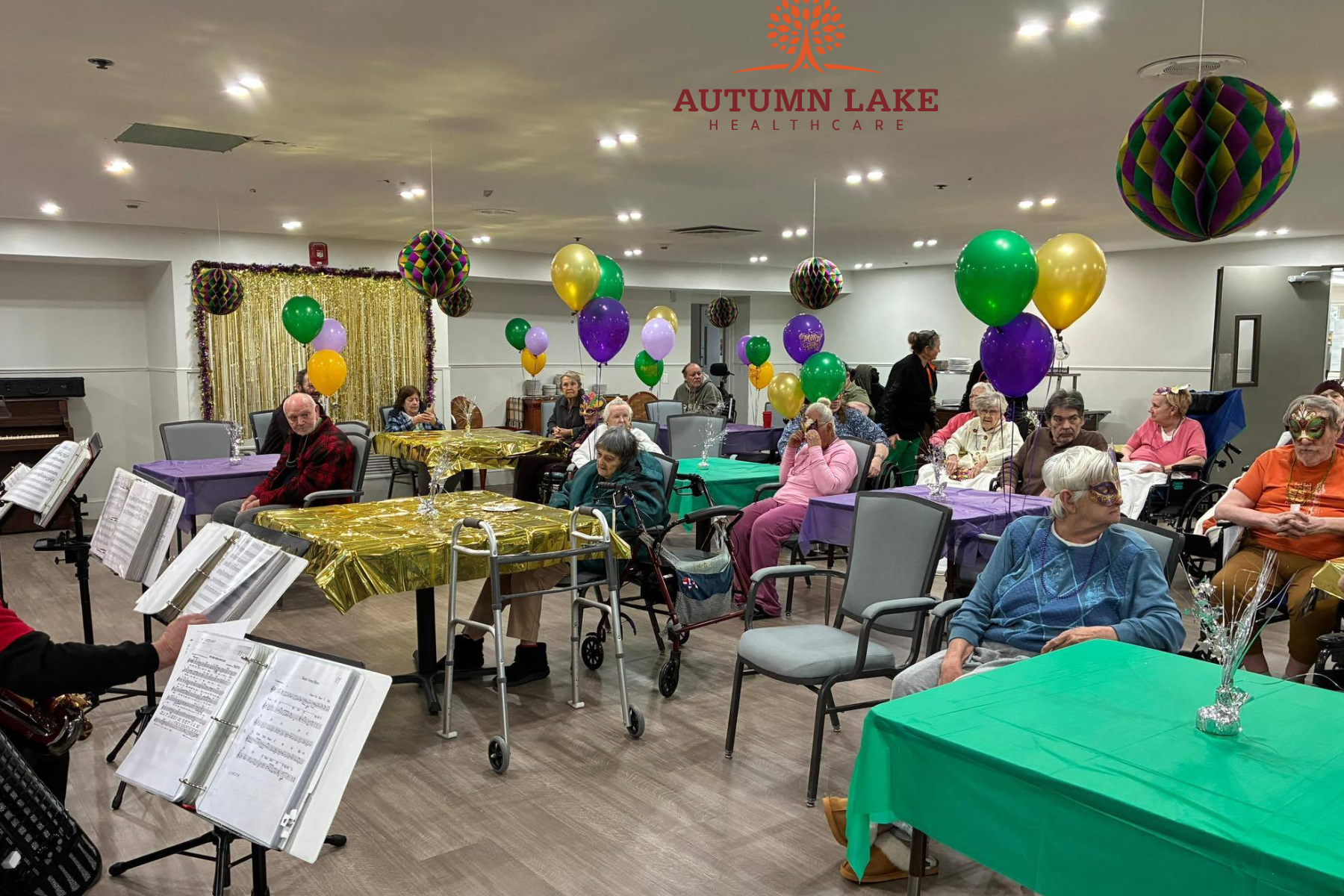
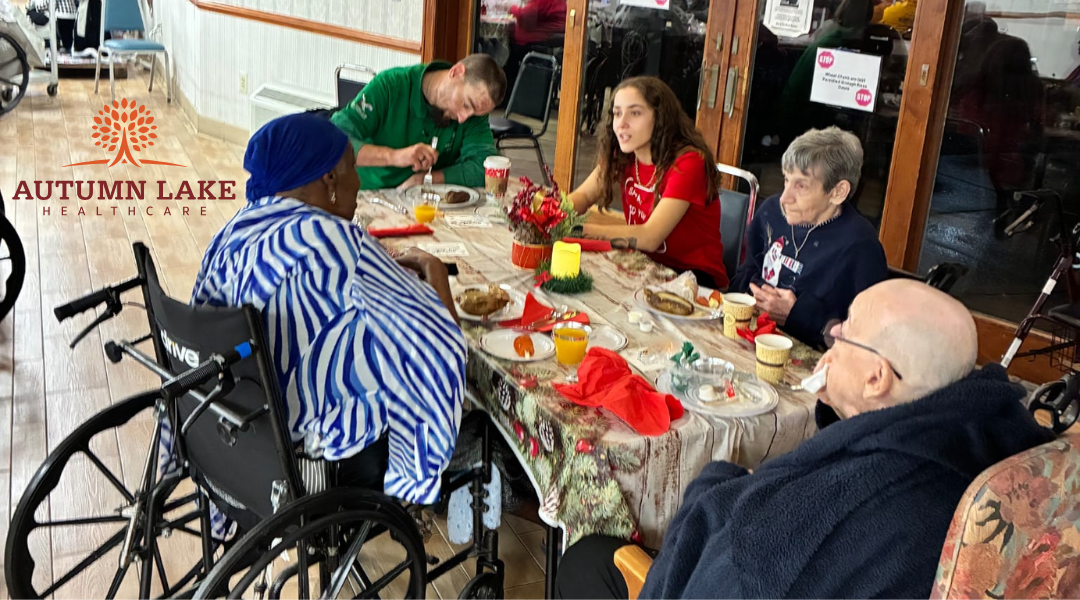
Residents gathered for a festive activity in a rehabilitation center


Benefits of Choosing Local Howell Elder Care

Selecting a facility close to home in Freewood Acres or Ramtown offers more than just convenience.

  • Frequent Family Visits: Proximity makes it easier for the family to participate in care meetings.
  • Community Integration: Residents often find they are recovering alongside neighbors they know from the Howell Senior Center.
  • Continuum of Care: Many centers offer a path into assisted living if the need for long-term support arises.

Common Misconceptions About Nursing Homes & Elder Care

As experts in the Howell niche, we often see families fall for these two common myths:

  • “The Hospital Picks the Rehab”: False. The hospital provides options, but the family has the final say.
  • “All Facilities are the Same”: Every center has a different “culture.” At Autumn Lake, our philosophy centers on the idea of a “haven.” We believe the environment, the hospitality, the food, and the warmth are just as therapeutic as the physical therapy itself.

Frequently Asked Questions

What is the difference between a nursing home and assisted living in Howell? Nursing Homes provide 24-hour skilled medical care and intensive therapy for those with complex medical needs. Assisted living is designed for seniors who are relatively independent but require help with daily tasks like medication management, dressing, or meals in a more residential setting.

What should I look for when touring a Howell rehabilitation center? Focus on the staff-to-patient ratio, the cleanliness of the therapy gym, and the “feel” of the common areas. Ask if the therapists are on-site daily and how the team involves family members in the weekly care planning meetings.

How do I check the quality ratings for nursing homes & elder care in Monmouth County? You can visit the Medicare “Care Compare” website and enter zip code 07731. This allows you to view official health inspection reports, staffing levels, and quality of resident care ratings for any facility in the Howell and Freehold area.

To Sum Up

If your loved one is preparing for discharge, don’t wait until the last minute to secure a bed in a premier recovery center. Contact us at Autumn Lake Healthcare to see how our team of specialists can create a personalized recovery plan in a setting that feels like home.

What Are the Benefits of Choosing Autumn Lake Healthcare for Senior Care?

Choosing Autumn Lake Healthcare for senior care provides residents with a holistic blend of specialized clinical expertise, personalized rehabilitation programs, and a vibrant community atmosphere. By prioritizing individualized care plans and 24/7 skilled nursing, the facility ensures that both physical recovery and mental well-being are addressed simultaneously within a high-standard, supportive environment.

The Core Benefits of the Autumn Lake Care Model

When a loved one requires a higher level of support, the decision centers on balancing medical necessity with personal dignity. As a premier rehabilitation facility, we focus on bridging the gap between hospital discharge and a safe return home. The primary advantage of this model is the integration of high-level medical oversight with a hospitality-driven approach to daily living.

Beyond the clinical metrics

The environment plays a pivotal role in recovery. Our centers are designed to move away from the sterile atmosphere of a traditional hospital, offering instead a setting that prioritizes resident comfort and familiarity. This transition is vital for seniors who may feel overwhelmed by the pace of an acute care setting; here, the focus shifts toward sustainable, long-term health milestones.

A major benefit of our approach is that we create a true rehabilitation home. By fostering a warm and residential atmosphere, we reduce the stress associated with clinical transitions, allowing residents to focus entirely on regaining their strength and independence in a supportive space.

Top 5 Benefits of Professional Senior Care:

  1. Specialized Clinical Pathways: Targeted programs for cardiac, pulmonary, and orthopedic recovery.
  2. Multidisciplinary Therapy: Daily access to physical, occupational, and speech therapists.
  3. Person-Centered Planning: Medical goals are aligned with the resident’s personal history and preferences.
  4. Modern Therapeutic Environments: Utilizing the latest technology to accelerate healing.
  5. Social and Emotional Wellness: Curated activities that combat the risks of senior isolation.

Comparing Care Levels: Finding the Right Fit

Navigating the landscape of senior support can be confusing for families. Whether you are looking for a short-term stay or permanent residency, understanding the nuances of each service tier is essential for making an informed choice. For instance, when we recently consulted with families near Howell, NJ, many were surprised to learn how fluidly a resident can transition between these levels as their health improves.

Feature Skilled Nursing Post-Acute Rehab Long-Term Care
Primary Goal Medical Stability Rapid Recovery Quality of Life
Duration Long-term or Acute Short-term (Weeks) Permanent Residency
Staffing 24/7 RN/LPN Therapists & Specialists Skilled Care & Aides
Key Benefit Complex Med Management Return to Independence Community & Support

By choosing Autumn Lake Healthcare, families gain access to a continuum of care that adapts to the patient’s needs. This means that if a resident’s condition changes, the care team is already in place to adjust the intensity of services without the stress of relocating to a different campus.


elder care center


Our Approach: The Vanguard Compass Protocol

At the heart of our mission is our proprietary framework, the Vanguard Compass Protocol. This is our “secret language” for excellence, a specialized standard that provides compassionate nursing home and rehabilitation services designed to promote comfort, healing, and quality of life. Our dedicated team of caregivers and medical professionals delivers personalized support in a warm, welcoming environment where residents can recover, regain strength, and feel truly cared for.

This protocol ensures that “care” is never a generic term. By applying these specific standards, we solve the common disconnect between clinical goals and patient comfort. Whether a resident is staying in a nursing home setting for a few weeks or several months, the protocol mandates that their emotional state is monitored as closely as their physical vital signs.

Debunking the “Institutionalization” Myth in Senior Care

A common misconception in the industry is that moving to an elder care center means a total loss of independence. Many families fear that their loved ones will be subjected to a rigid lifestyle that strips away their personality. This myth often prevents seniors from receiving the professional help that could actually extend their functional years and improve their daily happiness.

The reality is that professional senior care is designed to enhance independence, not diminish it. By removing the burdens of home maintenance and the stress of managing complex medication schedules, residents often find they have more energy for the things they love. We have seen residents from the Ramtown neighborhood regain the confidence to walk unassisted, specifically because they had access to professional equipment they didn’t have at home.

Frequently Asked Questions

What is the difference between a nursing home and assisted living?

A nursing home provides 24/7 clinical supervision and medical care for those with complex needs, whereas assisted living focuses more on residential support with minor medical assistance.

How long is a typical stay in a rehabilitation home?

Stay lengths vary based on the individual’s recovery goals, but post-acute rehabilitation typically ranges from a few weeks to thirty days.

Does insurance cover the cost of an elder care center?

Most long-term care insurance, Medicare, and Medicaid plans provide coverage for various levels of senior care. We recommend a direct consultation to review your specific benefits.

To Sum Up

Finding the right care partner is the most important gift you can give your family. At Autumn Lake Healthcare, we are committed to redefining what it means to heal and live well in your senior years. Our team is ready to welcome you into a community where medical excellence meets genuine compassion. 

Are you ready to see how our Vanguard Compass Protocol can transform your loved one’s recovery journey? Visit us today to schedule a tour and meet our dedicated care team.

What Specific Therapies and Rehabilitation Services Does Autumn Lake Healthcare in Howell Offer?

Our team provides a comprehensive suite of rehabilitation services, including physical, occupational, and speech therapies tailored to individual recovery goals. Their specialized clinical programs focus on post-surgical recovery, stroke rehabilitation, and complex wound care to help patients regain independence. These professional services are delivered by an interdisciplinary team dedicated to restoring mobility and improving the long-term quality of life for every resident.

Finding the right clinical environment is a pivotal decision for families navigating the complexities of post-acute care. At Autumn Lake Healthcare, the focus remains steadfast on bridging the gap between a hospital stay and a successful return to independent living. By utilizing evidence-based clinical protocols, the facility ensures that every patient receives a level of medical attention that exceeds standard supervision.

Primary Rehabilitation Modalities: A Comparative View

The journey toward wellness begins with high-level medical oversight. For residents coming from the surrounding areas, including those who have spent years in the quiet neighborhoods of Howell, NJ, finding sophisticated care close to home provides an invaluable sense of security. To understand which path is right for a patient, it is essential to look at the primary goals of the three “pillars” of rehab.

Therapy Type Primary Goal Common Interventions
Physical Therapy Gross motor skills & mobility Gait training, strength building, and balance exercises.
Occupational Therapy Activities of Daily Living (ADLs) Fine motor skills, dressing, eating, and home safety.
Speech Therapy Communication & Swallowing Cognitive retraining, dysphagia management, and vocal exercises.

Specialized Clinical Programs and Services

As a premier autumn lake nursing home, the facility provides 24-hour clinical support for those with medically complex needs. These modalities are integrated into a single, cohesive daily schedule to maximize physical gains and ensure that recovery remains the primary focus. Beyond the standard therapy offerings, specialized teams are equipped to handle specific diagnoses that require advanced certifications.


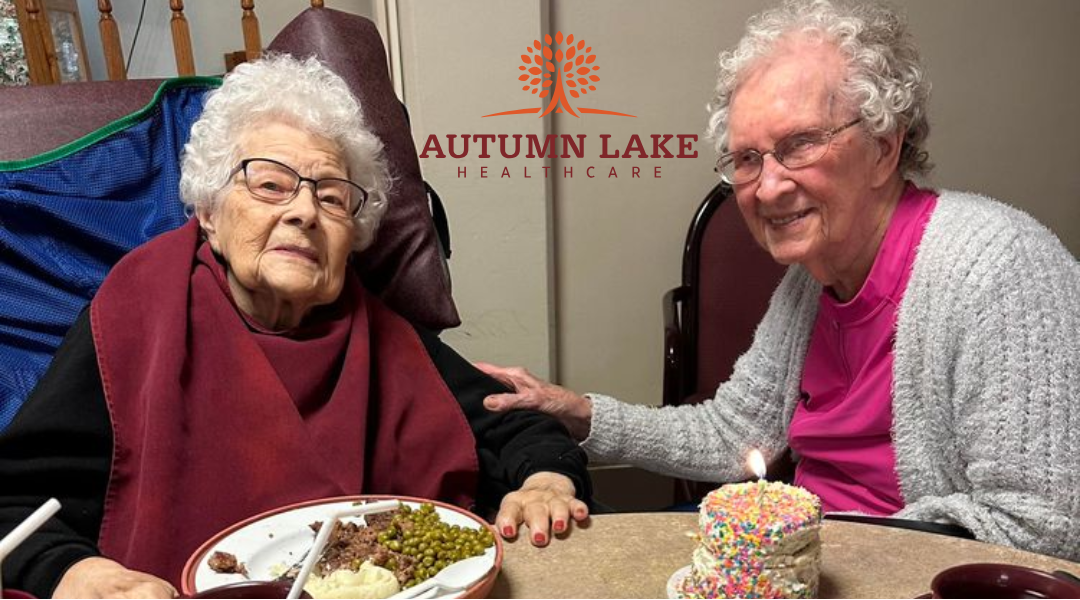
Two elderly women smiling together at a nursing home table with a small birthday cake.


  1. Post-Surgical Orthopedic Care: Intensive rehab for joint replacements and fractures.
  2. Cardiopulmonary Recovery: Specialized monitoring for heart and lung health.
  3. Advanced Wound Care: Utilizing specialized technology for chronic or surgical wounds.
  4. Neurological Rehabilitation: Targeted recovery for stroke or Parkinson’s.

During a recent care coordination meeting for a family residing near the Manalapan Brook area, our team highlighted how these programs prevent hospital readmissions. This level of oversight is what defines a top-tier nursing care and rehabilitation center.

Applying Our Proprietary Care Philosophy

At the center of our clinical excellence is a proprietary approach that defines every interaction within our walls. We solve the challenge of long-term recovery by providing compassionate nursing home and rehabilitation services designed to promote comfort, healing, and quality of life. Our dedicated team of caregivers and medical professionals delivers personalized support in a warm, welcoming environment where residents can recover, regain strength, and feel truly cared for.

This framework is built on four distinct quadrants:

  • The Comfort Quotient: We prioritize pain management as the foundation for physical work.
  • The Healing Environment: A warm, welcoming space reduces patient stress and accelerates natural healing.
  • Personalized Strength Milestones: For a resident from Howell, NJ, the goal might be walking well enough to navigate their own garden.
  • The “Truly Cared For” Metric: Success is measured by the emotional bond and resilience of the resident.

Utilizing the “Bridge to Home” Framework

When a patient enters a healthcare home, the ultimate goal is a safe return to their community. We apply our “Bridge to Home” methodology to solve the gap between hospital discharge and independent living.

  • Pre-Discharge Assessment: Simulating home environments to test readiness for stairs and kitchen safety.
  • Caregiver Integration: Hands-on training for family members on medical equipment before discharge.
  • Continuity Planning: Ensuring progress translates to the patient’s specific home layout, such as a residence in Southard.

Debunking the Myth: “More Hours Always Means Faster Recovery”

A common industry misconception is that rehab effectiveness is measured solely by hours spent in the gym. However, entering a rehab center does not mean a patient should be pushed to the point of exhaustion.

The Reality: High-intensity therapy without proper rest can lead to burnout or reinjury. Effective rehabilitation is about quality and specificity. We focus on “pacing for progress,” ensuring therapy matches the patient’s physiological tolerance and medical stability.

Frequently Asked Questions

What is the difference between skilled nursing and acute rehabilitation?

Skilled nursing provides long-term medical care, while acute rehabilitation is a high-intensity program designed to return a patient home after an injury.

Does insurance cover rehabilitation services?

Most major insurance plans, including Medicare, cover sub-acute rehabilitation. Our admissions team can verify your specific benefits.

To Sum Up

If you are searching for a recovery partner that combines clinical expertise with a heart for service, Autumn Lake Healthcare is here to guide you.

5 Key Factors to Consider When Choosing the Right Nursing Home for Your Loved One

To choose the right nursing home, you must prioritize five critical factors: certified staffing ratios, CMS quality star ratings, clinical safety measures, financial transparency regarding Medicare/Medicaid, and specialized rehabilitation services. Evaluating these elements ensures your loved one receives a balance of medical expertise and personal dignity in a secure environment.

Selecting a long-term care facility is a pivotal decision for any family. It is not merely about finding a bed; it is about finding a high-tier healthcare center that maintains the warmth of a private residence. The transition requires a blend of data-driven research and intuitive observation to ensure the facility aligns with your loved one’s specific medical and social needs.

1. Evaluating Staffing Ratios and Caregiver Consistency

The most sophisticated medical equipment cannot replace the presence of a skilled nurse. When researching nursing homes & elder care, the first metric to audit is the “Hours Per Resident Day” (HPRD). This figure represents the actual time a resident spends with a Registered Nurse (RN), Licensed Practical Nurse (LPN), and Certified Nursing Assistant (CNA). High staffing ratios are the primary indicator of resident safety, as they directly correlate to lower fall rates and faster response times.

During a recent quality audit for a facility in Howell, we observed that the most successful outcomes occurred when the CNA-to-resident ratio remained consistent. High staff turnover is a red flag; you want a facility where caregivers know a resident’s favorite morning routine and can spot the subtle changes in demeanor that might indicate a developing health issue.

Staffing Standard Comparison

Staff Category Federal Minimum Guideline Industry “Gold Standard”
Total Nursing (HPRD) 3.48 Hours 4.1+ Hours
Registered Nurse (RN) 0.55 Hours 0.75+ Hours
Nurse Aide (CNA) 2.45 Hours 2.8+ Hours

2. Analyzing Quality Measures and Inspection Reports

While brochures provide a visual overview, the “Form CMS-2567” tells the clinical story. This is the official Statement of Deficiencies issued by state inspectors. When evaluating reputable rehab homes, you must look beyond lobby aesthetics and review the health inspection history. A quality facility will have no “Immediate Jeopardy” citations and a clear, documented “Plan of Correction” for any past administrative tags.

We often tell families navigating the neighborhoods of Freewood Acres that a 5-star rating is only a starting point. Pay close attention to “Quality Measures” such as the percentage of residents with new or worsened pressure ulcers. A low percentage here indicates that staff are diligent in repositioning residents and maintaining skin integrity, a hallmark of high-quality clinical care.

3. Prioritizing Specialized Rehabilitation and Clinical Services

Not all facilities offer the same level of medical intervention. If your loved one is recovering from a stroke, hip replacement, or cardiac event, the facility must operate as a high-acuity rehabilitation center. This includes on-site physical, occupational, and speech therapists who work daily to maximize the window of recovery during the sub-acute phase.

  1. Physical Therapy: Focuses on gait training, balance, and strengthening.
  2. Occupational Therapy: Relearning “Activities of Daily Living” (ADLs) like dressing.
  3. Speech Therapy: Essential for swallowing disorders and cognitive communication.
  4. Specialized Nursing: Verify whether they have wound-care-certified nurses or IV therapy capabilities.

4. Safety Features and the Physical Environment

The building’s physical layout is a silent contributor to residents’ quality of life. During a tour of a facility near Ramtown, we recommend that families look for “hidden” safety features. This includes non-slip flooring, easy-to-grip handrails, and a call bell system accessible from both the bed and the bathroom.

Security is vital for residents with cognitive impairment. A top-tier facility will have secured perimeters and “WanderGuard” systems to prevent elopement while still allowing residents the freedom to move through the hallways. The goal is to create a sense of home living that doesn’t sacrifice the rigorous safety protocols required in a clinical setting.


rehab homes


5. Financial Transparency and Coverage Navigation

Medicare generally covers up to 100 days of skilled nursing care following a qualifying hospital stay, but it does not cover long-term custodial care. For longer stays, you will need to discuss “spend-down” processes for Medicaid or private pay rates with the admissions coordinator. Clear financial communication from the start prevents unexpected billing cycles during an already stressful transition.

Our Approach: The Autumn Lake Standard

At our facilities, we adhere to a specific philosophy of care that transcends basic requirements. We provide compassionate nursing home and rehabilitation services designed to promote comfort, healing, and quality of life. Our dedicated team of caregivers and medical professionals delivers personalized support in a warm, welcoming environment where residents can recover, regain strength, and feel truly cared for.

This standard ensures we treat every resident as an individual with a unique history. By integrating this personalized support into our daily clinical routines, we ensure that the “healing” aspect of our mission is as robust as the “medical” aspect. Whether a resident is with us for ten days or ten years, our team is trained to foster an environment where they feel seen, heard, and valued.

Common Industry Myth: “Nursing Homes are Only for Permanent Care”

A prevalent misconception is that entering a skilled nursing facility is always a permanent move. In reality, modern facilities function as “Post-Acute” hubs. Data shows that a significant percentage of residents utilize these centers as a bridge between the hospital and home, graduating from their programs once they have regained sufficient independence.

Frequently Asked Questions

What is the difference between a nursing home and assisted living?

Nursing homes provide 24/7 skilled medical care, while assisted living is for individuals who need help with daily tasks but do not require constant clinical intervention.

How do I check a facility’s complaint history?

Visit the CMS Nursing Home Compare website or contact the State Long-Term Care Ombudsman to view formal complaints and survey results.

Can I visit a loved one at any time?

Most facilities offer flexible visitation to encourage family involvement, though specific hours may be recommended to avoid interrupting therapy sessions or rest periods.

To Sum Up

At Autumn Lake Healthcare, we understand you aren’t just looking for a facility, you’re looking for peace of mind. Our centers provide the highest quality clinical care while maintaining the dignity and comfort your loved one deserves.

Ready to see our care in action? Visit us to schedule a tour and learn how our dedicated team can support your family’s journey toward recovery.

Tracking Rehabilitation Success: What Families Should Expect in the Journey to Recovery

To track rehabilitation success, families should monitor consistent improvements in emotional regulation, the restoration of healthy communication patterns, and the diligent application of new coping skills. Success is measured by an individual’s transition from clinical dependence to functional independence and a sustained commitment to a personalized wellness plan.

Defining Success: Beyond the “Days Sober” Metric

When a loved one enters a recovery program, the instinct for many families is to count the days. While time is a significant factor, it is often a “lagging indicator.” To truly understand if the recovery is moving in the right direction, we must look at “leading indicators”, the small, daily shifts in character and habit that precede long-term stability. For families navigating this in Howell, NJ, understanding these nuances is the first step in providing the right kind of support.

Tracking success requires looking at the person as a whole. Are they sleeping better? Are they engaging in conversations without becoming defensive? Are they showing up for their scheduled sessions with a sense of purpose? These are the milestones that build a foundation for a life reclaimed. It is about moving from a state of surviving to a state of functional wellness within a dedicated care center.

Comparison: Clinical Progress vs. Behavioral Milestones

It is helpful for families to have a framework to categorize the changes they see. Clinical progress is what the medical team monitors, while behavioral milestones are what you will notice during visits or phone calls. Use the following table to help identify where your loved one stands.

Milestone Category Clinical Progress (The “What”) Behavioral Shift (The “How”)
Cognitive Completion of specialized therapy modules. Pausing to think and breathe before reacting to a stressor.
Social Building a peer support network within the community. Setting healthy boundaries and identifying toxic past influences.
Functional Adherence to a structured medical and daily routine. Taking initiative with personal hygiene and daily responsibilities.
Relational Active participation in family counseling sessions. Using “I” statements and practicing active listening with relatives.

During our recent outreach in the Ramtown neighborhood, we found that families who used this specific breakdown felt significantly less anxiety regarding the “unknowns” of the recovery process. By focusing on the “How,” the “What” begins to take care of itself. This structured approach is common in high-quality care homes where the focus is on holistic improvement.

Debunking the “Linear Recovery” Myth

A common industry misconception is that recovery is a straight line, a constant upward trajectory. This myth often leads to devastating disappointment for families if a setback occurs. Many believe that a single “slip” or a day of poor communication means the rehabilitation has failed.

The reality is that recovery is often cyclical. A setback is not a failure; it is a clinical data point. It reveals exactly where the treatment plan needs more support or where a specific trigger hasn’t been fully addressed yet. True success is not the total absence of challenges, but the increased speed and effectiveness with which the individual uses their tools to bounce back. This is a philosophy we emphasize heavily when working with families near the Freewood Acres area, ensuring they have the resilience to stay the course. This perspective is vital for those transitioning into assisted living environments where independence is gradually reintroduced.

Our Approach: Compassionate Nursing and Rehabilitation

At the heart of our philosophy is a proprietary standard of care. We provide compassionate nursing home and rehabilitation services designed to promote comfort, healing, and quality of life. Our dedicated team of caregivers and medical professionals delivers personalized support in a warm, welcoming environment where residents can recover, regain strength, and feel truly cared for.

We solve the problem of “clinical coldness” by integrating the following three pillars:

  1. Personalized Support: We don’t believe in “cookie-cutter” recovery. Each resident’s roadmap is unique to their physical and emotional history.
  2. The Comfort Factor: By creating a “home-like” atmosphere, we lower stress levels, making residents more receptive to therapy and medical intervention.
  3. Healing Through Connection: We foster a community where residents don’t just recover in isolation but regain strength through shared experiences and professional encouragement.

This method ensures that the transition through Nursing Homes feels less like a clinical stay and more like a transformative chapter in a person’s life story.


Gemini said
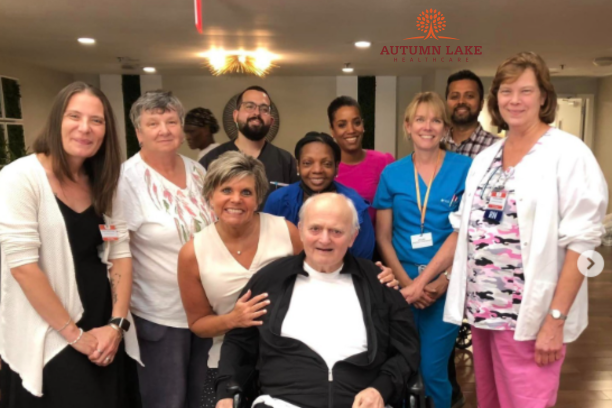
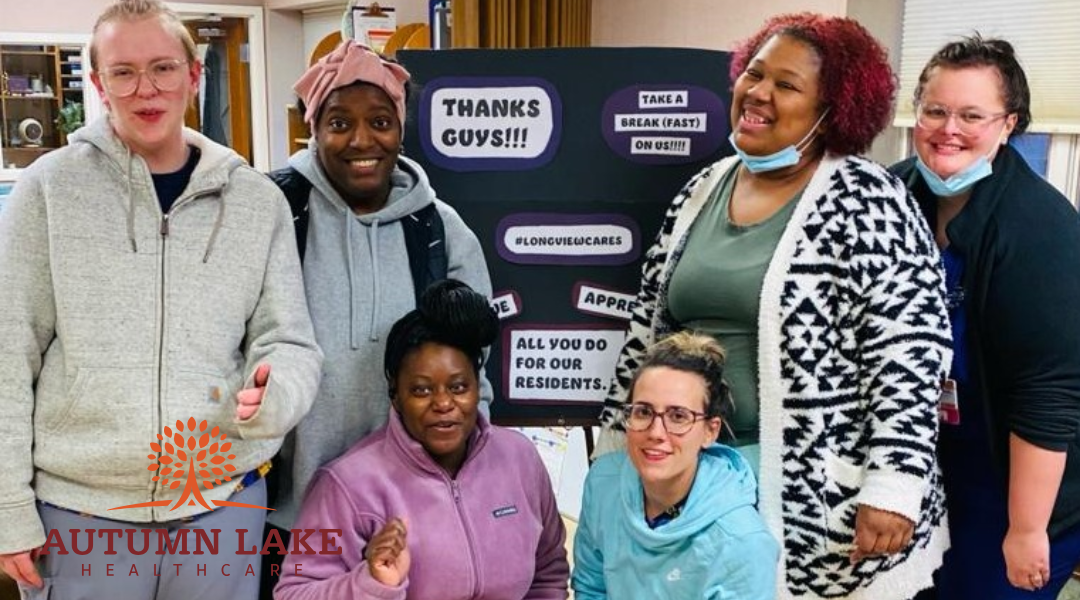
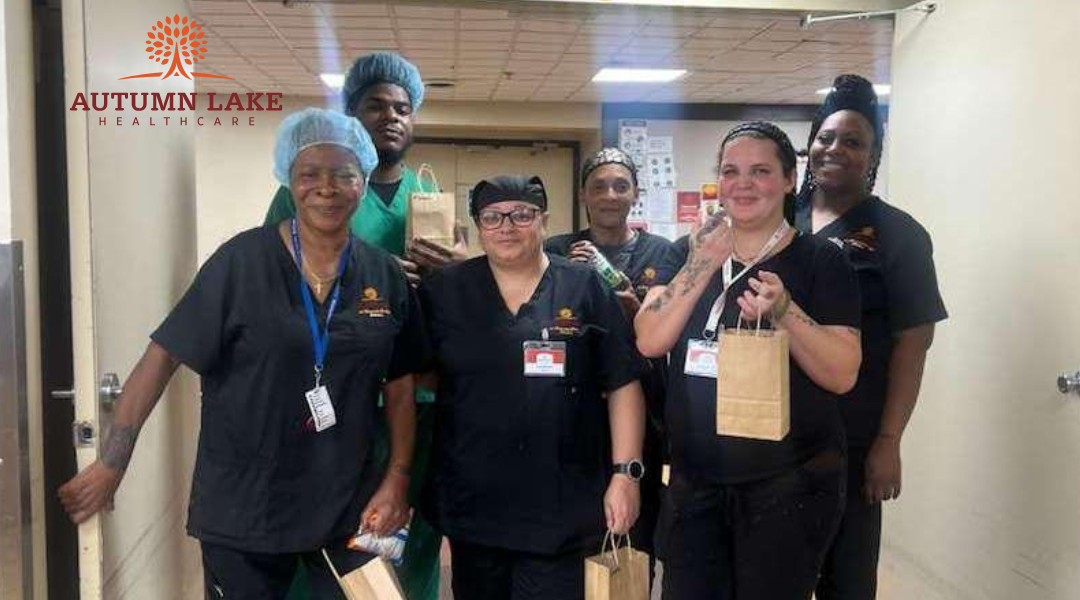
A group of diverse healthcare workers in black scrubs and hairnets smiling together in a nursing home hallway.


The 4 Stages of Family Reintegration

As your loved one progresses, the family’s role evolves. You are moving from a state of crisis management to a state of collaborative support. This is often the most delicate part of the recovery within a Nursing Home center.

  1. The Stabilization Phase: This is the “quiet period.” The focus is entirely on medical safety. Families should expect limited communication as the individual stabilizes.
  2. The Awareness Phase: The individual begins to recognize the behaviors behind their situation. You may hear them express guilt or new realizations.
  3. The Skill-Building Phase: This is where the work gets hard. They are practicing new ways to handle stress. Families should expect some friction here; it is the sound of new “emotional muscles” being built.
  4. The Integration Phase: The individual begins applying these skills to real-world scenarios. For those living in Howell, NJ, this might mean planning for a return to local social circles or professional life with a new set of boundaries.

Frequently Asked Questions

How long does the average rehabilitation process take?

There is no “one-size-fits-all” answer. Clinical research suggests that significant behavioral changes typically begin to take root after 90 days of consistent, structured support. The duration depends entirely on the individual’s specific needs.

What is the family’s role during the rehabilitation stay?

The family’s role is to be a source of “boundaried support.” This means offering encouragement and love while respecting the clinical boundaries set by the medical team. Participating in family therapy is often the best way to help.

What happens if a resident experiences a setback during recovery?

Setbacks are handled as opportunities for adjustment. Our teams immediately assess the cause, whether physical, emotional, or environmental, and update the care plan to provide extra support in that specific area.

Can we visit our loved one during their stay?

Yes. We believe that family connection is a vital component of healing. We have specific visiting hours and family engagement programs designed to facilitate healthy reconnection in a safe environment.

To Sum Up

The physical setting of a recovery journey is often the “silent partner” in success. When a facility prioritizes the dignity of the individual, the individual begins to prioritize their own dignity. This is why selecting the right nursing homes is a decision that impacts the entire family’s future. It is about finding a place where the caregivers’ hearts match medical expertise.

At Autumn Lake Healthcare, we understand that you aren’t just looking for a facility; you are looking for a partner. Our commitment to excellence ensures that every resident is treated with the respect and specialized care they deserve. We invite you to experience the difference that a truly compassionate, warm, and welcoming environment can make in the journey to regain strength.

Discover a higher standard of care and begin the journey to recovery today. Visit us to learn how we can support your family.

Understanding the Key Differences Between Short‑Term and Long‑Term Care in Rehab Homes

The primary difference between short-term and long-term rehab lies in the clinical intent and the duration of stay: short-term care involves intensive, goal-oriented therapy to return a patient home within weeks, while long-term care provides ongoing medical support for chronic conditions. Short-term rehab serves as a functional “bridge” to independence, whereas long-term care is a permanent residential solution focused on safety and health maintenance.

Navigating the healthcare system is often overwhelming, especially when a hospital discharge requires an immediate decision regarding “rehab.” Selecting the wrong level of support can lead to physical setbacks or unnecessary financial strain. Understanding whether a loved one requires a high-intensity clinical sprint or a marathon of supportive care is essential for their long-term recovery within modern care homes.

The Sprint: What is Short-Term Rehabilitation?

Short-term rehabilitation is a medical intervention for patients who have experienced an acute event, such as a stroke, a cardiac episode, or a major joint replacement. The environment is fast-paced and results-driven, with patients engaging in physical or occupational therapy for several hours a day. During a recent clinical audit for a healthcare partner in Howell, NJ, data confirmed that daily, high-intensity therapy significantly reduces the risk of hospital readmission.

The Marathon: Defining Long-Term Care

Conversely, long-term care is designed for individuals whose medical needs have progressed beyond what can be safely managed in a home living environment. This model focuses on sustaining a high quality of life while managing progressive illnesses like Parkinson’s or advanced dementia. Residents receive 24/7 nursing supervision and assistance with “Activities of Daily Living” (ADLs), such as dressing and medication management, in a stable and dignified setting.

Comparison: At-a-Glance Differences

To help you decide which path is necessary, here is a breakdown of the core operational differences:

Feature Short-Term Rehab Long-Term Care
Primary Goal Functional Recovery Health Maintenance
Typical Stay 1 to 12 Weeks Indefinite / Permanent
Therapy Frequency High-intensity (Daily) Maintenance-based (Weekly)
Payer Source Medicare / Private Insurance Medicaid / Private Pay

Applying the “Synchronized Recovery Protocol” (SRP)

To solve the common “care gap” where patients plateau or lose progress during transitions, we utilize a proprietary framework known as the Synchronized Recovery Protocol (SRP). This “Secret Language” of care ensures that every department, from nursing to nutrition, operates on a unified clinical roadmap. Instead of treating therapy and nursing as separate silos, the SRP synchronizes them to ensure the patient’s biological data dictates the pace of care.

The Synchronized Recovery Protocol consists of three core mechanics:

  • Dynamic Response Tracking: We monitor biometric markers daily. If a patient’s progress slows, the SRP triggers an immediate multidisciplinary review to pivot the therapy strategy.
  • Continuity of Narrative: During a transition for a resident near the Ramtown neighborhood, the SRP ensured that the specific surgical precautions and cognitive baselines moved with the patient instantly, eliminating the “re-evaluation” delays common in other facilities.
  • Adaptive Tiering: The protocol allows us to move a patient between short-term and long-term tracks seamlessly as their physical potential fluctuates, ensuring they are always in the most effective care tier.


care center


Choosing the Right Care Center

Selecting a care center requires an audit of both clinical equipment and social infrastructure. For short-term needs, prioritize facilities with advanced gym technology and high therapist-to-patient ratios. For long-term care, the focus should shift to the stability of the nursing staff and the robustness of the social and cognitive engagement programs, which prevent the isolation often associated with chronic illness.

When Home is No Longer an Option: Assisted Living vs. Rehab

Many families confuse rehab facilities with assisted living communities. While both offer a residential component, the clinical depth is vastly different; assisted living is primarily a social model with light medical support, whereas a rehab home is a licensed medical facility. If a loved one requires complex wound care, IV medications, or intensive daily physical therapy, the clinical oversight of a skilled nursing environment is the only safe option.

Debunking the Myth: “Long-Term Care Means the End of Therapy”

A common industry misconception is that rehabilitation stops once a patient moves into a permanent residential wing. This is false. While the intensity changes, residents in our rehab homes receive “Maintenance Therapy” to prevent muscle atrophy and preserve independence. In the Freewood Acres area, we have seen residents maintain their mobility for years longer than peers who lacked consistent, professional physical engagement.

Navigating the Financial Landscape

Understanding the “why” of these care levels often comes down to who pays. Medicare is designed for the “acute” phase, covering short-term rehab for a limited window, typically up to 100 days. Long-term care is generally funded through private pay, long-term care insurance, or Medicaid. A key part of our Synchronized Recovery Protocol involves helping families map out these financial requirements early to avoid a care crisis.

Frequently Asked Questions

Does Medicare cover long-term care in a rehab home?

No. Medicare covers short-term, skilled nursing care for recovery purposes. Long-term custodial care is typically paid for privately or through Medicaid.

How long is a typical stay in short-term rehab?

Most stays range from 2 to 4 weeks, depending on the severity of the injury and the patient’s progress toward their discharge goals.

Can a long-term resident eventually return home?

Yes. Through our Synchronized Recovery Protocol, we constantly reassess long-term residents. If significant functional gains are made, we can transition them back to a short-term intensive track to prepare for home discharge.

To Sum Up

At Autumn Lake Healthcare, we don’t just provide a room; we provide a clinical partner. Our Synchronized Recovery Protocol ensures that whether your journey is a short-term recovery or a long-term transition, it is guided by data, compassion, and a clear roadmap to the best possible life. If you need more information about our services, contact us to schedule a tour today!

Exploring the Different Types of Rehabilitation Services Available at Our Nursing Home

Nursing homes provide four primary types of rehabilitation services: physical therapy to restore mobility, occupational therapy to assist with daily living tasks, speech therapy for communication and swallowing disorders, and specialized clinical care for complex medical recoveries. These services are specifically designed to help patients transition from a hospital setting back to their homes safely by regaining strength and independence.

The journey toward recovery after a surgery, illness, or injury requires more than just rest; it demands a structured clinical environment. At a modern Nursing Home center, the focus is on intensive, short-term intervention. These facilities bridge the gap between acute hospital stays and returning to a full, active life by offering a multidisciplinary approach that ensures every aspect of a patient’s health, physical, and cognitive is addressed simultaneously.

The Core Trio: Primary Rehabilitation Modalities

To understand how recovery works, it is essential to break down the three pillars of therapy. Most residents receive a combination of these tailored to their specific recovery plan. This integrated approach is what defines high-quality nursing homes & elder care today. Rather than treating a symptom in isolation, therapists work together to ensure that a gain in leg strength translates into the ability to safely navigate a home environment.

1. Physical Therapy (PT)

Physical Therapy focuses on gross motor skills, balance, and overall physical strength. For many seniors in the Howell, NJ area, PT is the cornerstone of post-operative care, especially after joint replacements. The primary goals of PT include walking independently, climbing stairs, and vital fall prevention techniques. To achieve this, therapists utilize specialized equipment such as parallel bars, resistance bands, and ultrasound therapy to reduce inflammation and promote tissue healing.

2. Occupational Therapy (OT)

While PT focuses on movement, Occupational Therapy focuses on the practical tasks of daily life. This includes fine motor skills and “Activities of Daily Living” (ADLs). The goal of OT is to ensure a resident can feed themselves, get dressed, and perform grooming tasks without assistance. This often involves training with adaptive tools like reachers, button hooks, and specialized kitchen utensils. For a resident transitioning back to their favorite neighborhood in Howell, these skills are the difference between needing 24/7 home care and living independently.

3. Speech and Language Pathology (SLP)

Speech therapy involves communication, cognition, and “Dysphagia” (swallowing) management. After a stroke or neurological event, a patient may struggle to process language or safely swallow food. SLP works to strengthen the muscles of the throat and the neural pathways of the brain, ensuring that residents can communicate their needs and enjoy meals safely. This service is a standard offering in reputable Nursing Homes that prioritize comprehensive recovery.

Comparison of Inpatient Rehab vs. Standard Nursing Care

Many families searching for rehab homes confuse general nursing care with intensive rehabilitation. It is important to distinguish between the two to set proper expectations for recovery timelines and intensity.

Feature Skilled Rehabilitation Long-Term Nursing Care
Primary Goal Recovery and Discharge Maintenance and Quality of Life
Therapy Intensity 1–3 hours per day As needed for maintenance
Physician Oversight Frequent weekly check-ins Monthly or as needed
Typical Duration 20 to 100 days Indefinite

A Rehabilitation center within a nursing home environment is a high-intensity clinical setting. It is designed for those who have a specific goal of returning home. During a recent audit for a healthcare partner in a local Howell neighborhood, data showed that patients who engaged in daily structured rehab saw a significantly higher rate of successful home discharge compared to those in less structured environments.


Nursing Homes


Debunking the Myth: “Rehab is Only for Seniors After a Fall”

A common industry misconception is that rehabilitation services are exclusively for elderly patients who have suffered a broken hip. This narrow view often prevents people from seeking the care they need. Modern rehabilitation serves a diverse range of needs, including post-surgical recovery for knee, hip, or cardiac procedures. It also provides critical support for neurological events like strokes or Parkinson’s disease flare-ups.

Our Philosophy of Care

At our facility, we don’t just provide exercises; we follow a specific standard of excellence. We provide compassionate nursing home and rehabilitation services designed to promote comfort, healing, and quality of life. Our dedicated team of caregivers and medical professionals delivers personalized support in a warm, welcoming environment where residents can recover, regain strength, and feel truly cared for. This ensures that while the body is working hard in the gym, the patient is supported by a team that understands their personal goals and emotional needs.

Specialized Clinical Services

Beyond the standard “big three” therapies, a comprehensive facility provides high-acuity clinical support that many outpatient centers cannot offer. These services are vital for patients with complex medical backgrounds who require 24/7 monitoring.

  1. Wound Care: Specialized nursing for post-surgical incisions or chronic pressure ulcers.
  2. IV Therapy: The administration of essential antibiotics or hydration without the need for a hospital stay.
  3. Pain Management: A multimodal approach to reduce reliance on opioids while ensuring the patient is comfortable enough to participate in therapy.

When looking at various rehab homes, it is this level of clinical sophistication that ensures a safe recovery. For residents throughout Howell, NJ, having access to these specialized services locally means that family members can visit frequently, which is a key component of the psychological healing process.

Frequently Asked Questions

How long does the average stay in a rehab nursing home last?

Most short-term rehabilitation stays last between 20 and 100 days, depending on the severity of the injury and the patient’s progress toward their therapy goals.

Will Medicare cover rehabilitation in a nursing home?

Medicare typically covers 100% of the cost for the first 20 days of skilled nursing care following a qualifying hospital stay, with partial coverage extending up to 100 days.

Can I choose which nursing home I go to for rehab?

Yes, patients have the right to choose their facility. It is often recommended to tour a facility prior to a scheduled surgery to ensure its programs align with your needs.

To Sum Up

At Autumn Lake Healthcare, we are committed to your return to independence. Our team understands that every recovery is unique, and we are here to provide the clinical expertise and warm, personalized care you deserve. Experience a place where healing and comfort go hand in hand. If you need more information about our services, contact us to schedule a tour today!