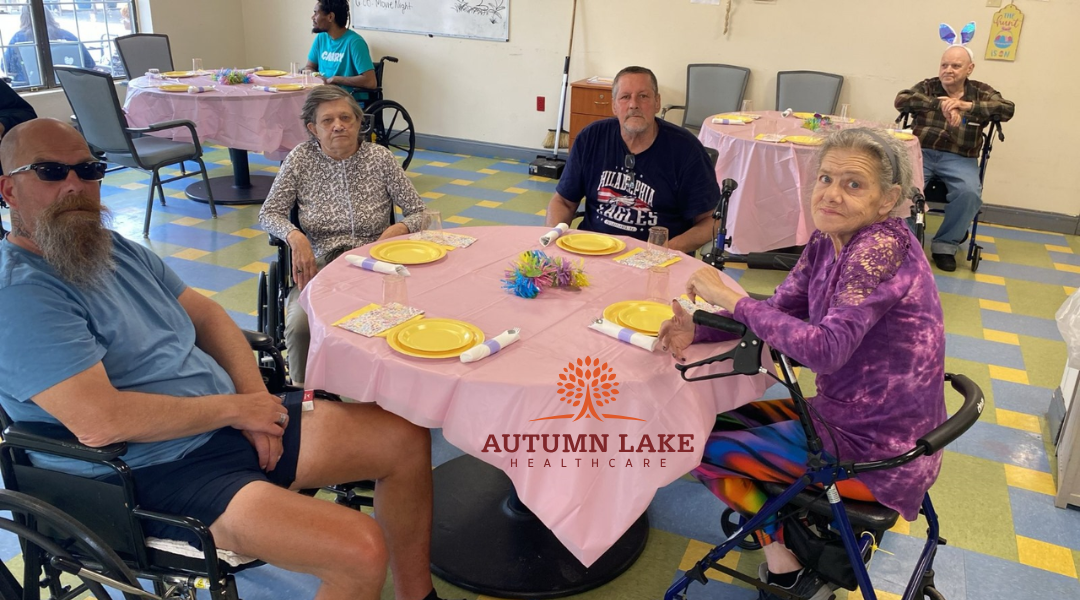
A nursing home is a healthcare facility that provides 24/7 medical care for individuals who are unable to live independently due to illness, disability, or injury. Nursing homes are equipped with skilled nursing staff who provide round-the-clock supervision, including assistance with medical needs such as administering medication, wound care, and post-surgical rehabilitation. These centers cater to both long-term care patients and individuals who need temporary care following a hospitalization or surgery.
Assisted living is a residential option for individuals who need assistance with daily activities, such as dressing, bathing, eating, or managing medications, but who do not require the round-the-clock medical care found in a nursing home. Assisted living communities offer a more independent lifestyle compared to nursing homes, but provide support when necessary. They are ideal for seniors who are still relatively independent but may need help managing chronic conditions or require some degree of personal care. Assisted living often includes access to social activities, meals, housekeeping, and transportation.
Rehabilitation care is a specialized form of therapy designed to help individuals recover after an injury, surgery, or medical event like a stroke. It often includes physical therapy, occupational therapy, and speech therapy. Rehabilitation can take place in various settings, including nursing homes, assisted living facilities, and specialized rehabilitation centers. The goal is to help individuals regain their independence and improve their ability to perform daily tasks.
5 Key Elements of Tracking Rehabilitation Success
Tracking progress during rehabilitation ensures that the care plan is working and allows families to stay informed about their loved one’s journey. Here are the five key elements to track:
-
Physical Progress
-
Is your loved one regaining mobility? Track their ability to walk, stand, or perform physical tasks like getting out of bed or sitting down independently.
-
-
Cognitive Improvement
-
Pay attention to improvements in cognitive function. Can your loved one remember instructions or engage in conversations more easily? This is important, especially after a stroke or brain injury.
-
-
Daily Living Skills
-
Monitor progress in everyday tasks such as eating, bathing, dressing, and using the restroom. These are indicators of how well your loved one is recovering and whether they can eventually return to an independent lifestyle.
-
-
Social Engagement
-
Are they participating in social activities or interacting with other residents? Emotional well-being and a positive outlook are just as important as physical recovery.
-
-
Communication Skills
-
Rehabilitation after a stroke or speech-related injury often involves speech therapy. Track whether your loved one’s ability to communicate is improving, as this can significantly impact their quality of life.
-
The Role of a Personalized Care Plan in Rehabilitation
A personalized care plan is the foundation of effective recovery. It outlines how medical oversight, therapy services, and daily support work together to address a resident’s specific needs. Rather than relying on a standardized approach, care teams tailor services based on individual health conditions, abilities, and goals.
The planning process begins with a comprehensive evaluation. Nurses and clinicians review medical history, recent hospitalizations, diagnoses, and current limitations. Therapists assess mobility, speech, cognition, and the ability to perform daily activities. Families are also included in this stage, as they often provide important insight into routines, preferences, and long-term expectations.
Once the assessment is complete, measurable goals are established. These goals focus on practical outcomes such as improving balance, increasing independence with self-care, or enhancing communication. At a professional nursing home center, these objectives guide therapy frequency, nursing support, and daily routines.
Care plans are reviewed regularly and updated as conditions change. Progress, setbacks, or new medical concerns may require adjustments to ensure services remain aligned with the resident’s current needs and recovery trajectory.
How Rehabilitation Progress Is Evaluated Over Time
Tracking recovery requires both objective measurement and clinical expertise. Functional assessments are used to evaluate changes in strength, mobility, endurance, and cognitive performance. These tools allow care teams to document improvements and identify areas where additional support may be needed.
Therapists play a central role in monitoring progress. Physical, occupational, and speech therapists assess how well residents are meeting established goals during therapy sessions. Their evaluations help determine whether current interventions are effective or if modifications should be made.
Family feedback is also encouraged. Observations shared during visits, such as improved walking ability or increased engagement in conversations, provide valuable real-world context. At Autumn Lake Healthcare, families are viewed as partners in care, and their input helps create a more complete understanding of a resident’s progress within the care center.
Short-term benchmarks and long-term outcomes are reviewed together. Early improvements may involve safer transfers or increased stamina, while long-term outcomes often focus on returning home or achieving greater independence.
Why Staffing Levels Matter in Rehabilitation Outcomes
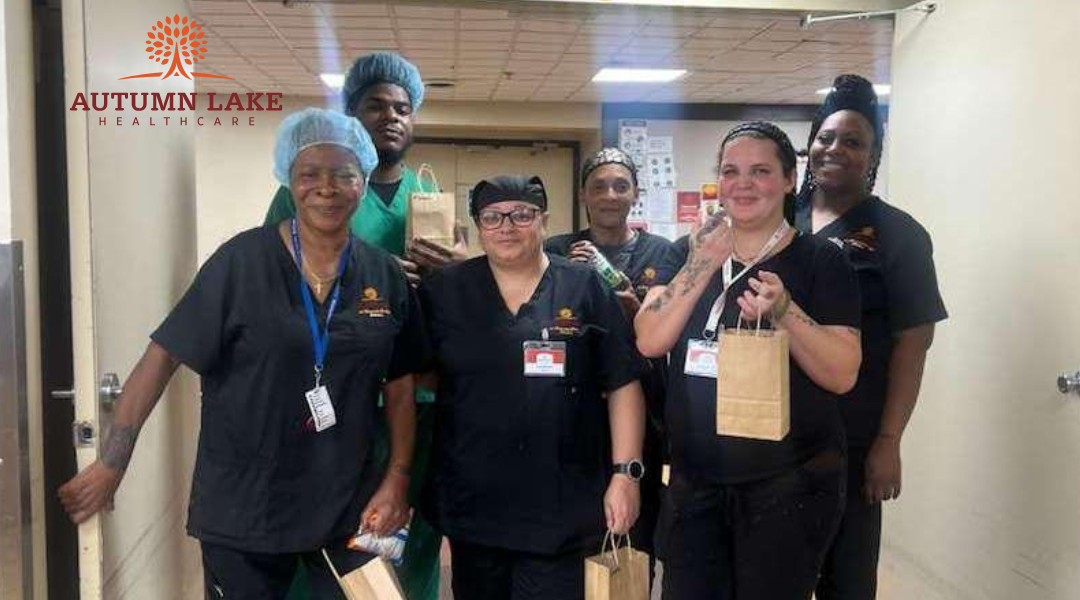
Staffing levels directly affect the quality and consistency of rehabilitation services. Adequate staff-to-resident ratios ensure that residents receive timely assistance, close monitoring, and individualized attention throughout the recovery process.
With sufficient staffing, care teams can closely observe residents during therapy and daily activities, reducing the risk of injury and ensuring exercises are performed correctly. This level of oversight is important for individuals recovering from surgery, illness, or mobility-related conditions.
Therapists are also able to spend more time with residents when staffing levels are appropriate. More frequent and focused therapy sessions contribute to better outcomes and more consistent progress. At Autumn Lake Healthcare’s nursing homes, staffing decisions are designed to support both clinical care and resident safety.
For families, proper staffing provides peace of mind. Knowing that a loved one is monitored and supported by a dedicated team allows families to focus on encouragement rather than concern.
What Families Can Expect During the Rehabilitation Process
Families play an important role in the recovery journey. Clear communication and regular updates help families understand what is happening and what to expect next. At Autumn Lake Healthcare, care teams prioritize transparency and accessibility throughout the rehabilitation process.
Families receive updates through scheduled meetings, phone calls, and written progress reports. These updates explain how goals are being addressed, what improvements have been observed, and whether any changes to the care plan are recommended.
Family involvement is encouraged at every stage. Asking questions, providing feedback, and participating in care discussions help ensure that services remain aligned with the resident’s needs. This collaborative approach is a key component of recovery across Autumn Lake Healthcare’s care homes.
Milestones are recognized as meaningful achievements. Improvements in mobility, communication, or independence reflect important progress and are acknowledged as part of the overall healing journey. These moments reinforce motivation for residents and reassurance for families.
When progress is slower than expected, care teams reassess the plan and adjust services as needed. Families are included in these discussions to ensure decisions are informed, transparent, and supportive of long-term outcomes.
The Importance of Environment in Recovery
The setting in which the recovery process takes place can significantly influence outcomes. A supportive, structured environment helps residents focus on recovery while receiving consistent care. Autumn Lake Healthcare provides rehabilitation services within its assisted living environments, allowing residents to receive therapy without unnecessary transitions.
This continuity supports safety, comfort, and emotional well-being. Residents benefit from familiar surroundings, while care teams maintain a comprehensive understanding of each individual’s needs. For families, this integrated approach simplifies communication and care coordination.
To Sum Up
Rehabilitation is a structured process that depends on individualized planning, consistent evaluation, and clear communication. At Autumn Lake Healthcare, recovery is supported through personalized care plans, professional staffing, and family involvement across its assisted living, nursing homes, and care center settings.
By focusing on measurable outcomes and collaborative care, residents are supported in achieving meaningful improvements while families remain informed and engaged. To learn more about the recovery journey and care planning, visit Autumn Lake Healthcare and speak with a member of the care team today.
Frequently Asked Questions
How often is a care plan reviewed during rehabilitation?
Care plans are reviewed regularly, typically every month or whenever a resident’s condition changes. This ensures services remain appropriate and responsive to current needs.
How can families stay informed about their loved one’s recovery progress?
Families receive ongoing updates through reports, meetings, and direct communication with the care team. Feedback from family members is also welcome.
What happens if recovery is slower than expected?
If progress slows, the care team reassesses goals and therapy approaches. Adjustments are made collaboratively to better support the resident.
How do staffing levels support rehabilitation success?
Appropriate staffing ensures residents receive individualized attention, consistent therapy, and close monitoring, all of which contribute to safer and more effective recovery.