

The primary difference between short-term and long-term rehab lies in the clinical intent and the duration of stay: short-term care involves intensive, goal-oriented therapy to return a patient home within weeks, while long-term care provides ongoing medical support for chronic conditions. Short-term rehab serves as a functional “bridge” to independence, whereas long-term care is a permanent residential solution focused on safety and health maintenance.
Navigating the healthcare system is often overwhelming, especially when a hospital discharge requires an immediate decision regarding “rehab.” Selecting the wrong level of support can lead to physical setbacks or unnecessary financial strain. Understanding whether a loved one requires a high-intensity clinical sprint or a marathon of supportive care is essential for their long-term recovery within modern care homes.
The Sprint: What is Short-Term Rehabilitation?
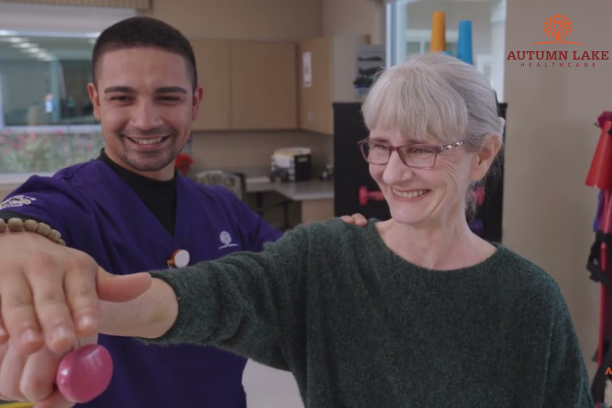
Short-term rehabilitation is a medical intervention for patients who have experienced an acute event, such as a stroke, a cardiac episode, or a major joint replacement. The environment is fast-paced and results-driven, with patients engaging in physical or occupational therapy for several hours a day. During a recent clinical audit for a healthcare partner in Howell, NJ, data confirmed that daily, high-intensity therapy significantly reduces the risk of hospital readmission.
The Marathon: Defining Long-Term Care
Conversely, long-term care is designed for individuals whose medical needs have progressed beyond what can be safely managed in a home living environment. This model focuses on sustaining a high quality of life while managing progressive illnesses like Parkinson’s or advanced dementia. Residents receive 24/7 nursing supervision and assistance with “Activities of Daily Living” (ADLs), such as dressing and medication management, in a stable and dignified setting.
Comparison: At-a-Glance Differences
To help you decide which path is necessary, here is a breakdown of the core operational differences:
| Feature | Short-Term Rehab | Long-Term Care |
| Primary Goal | Functional Recovery | Health Maintenance |
| Typical Stay | 1 to 12 Weeks | Indefinite / Permanent |
| Therapy Frequency | High-intensity (Daily) | Maintenance-based (Weekly) |
| Payer Source | Medicare / Private Insurance | Medicaid / Private Pay |
Applying the “Synchronized Recovery Protocol” (SRP)
To solve the common “care gap” where patients plateau or lose progress during transitions, we utilize a proprietary framework known as the Synchronized Recovery Protocol (SRP). This “Secret Language” of care ensures that every department, from nursing to nutrition, operates on a unified clinical roadmap. Instead of treating therapy and nursing as separate silos, the SRP synchronizes them to ensure the patient’s biological data dictates the pace of care.
The Synchronized Recovery Protocol consists of three core mechanics:
- Dynamic Response Tracking: We monitor biometric markers daily. If a patient’s progress slows, the SRP triggers an immediate multidisciplinary review to pivot the therapy strategy.
- Continuity of Narrative: During a transition for a resident near the Ramtown neighborhood, the SRP ensured that the specific surgical precautions and cognitive baselines moved with the patient instantly, eliminating the “re-evaluation” delays common in other facilities.
- Adaptive Tiering: The protocol allows us to move a patient between short-term and long-term tracks seamlessly as their physical potential fluctuates, ensuring they are always in the most effective care tier.
Choosing the Right Care Center
Selecting a care center requires an audit of both clinical equipment and social infrastructure. For short-term needs, prioritize facilities with advanced gym technology and high therapist-to-patient ratios. For long-term care, the focus should shift to the stability of the nursing staff and the robustness of the social and cognitive engagement programs, which prevent the isolation often associated with chronic illness.
When Home is No Longer an Option: Assisted Living vs. Rehab
Many families confuse rehab facilities with assisted living communities. While both offer a residential component, the clinical depth is vastly different; assisted living is primarily a social model with light medical support, whereas a rehab home is a licensed medical facility. If a loved one requires complex wound care, IV medications, or intensive daily physical therapy, the clinical oversight of a skilled nursing environment is the only safe option.
Debunking the Myth: “Long-Term Care Means the End of Therapy”
A common industry misconception is that rehabilitation stops once a patient moves into a permanent residential wing. This is false. While the intensity changes, residents in our rehab homes receive “Maintenance Therapy” to prevent muscle atrophy and preserve independence. In the Freewood Acres area, we have seen residents maintain their mobility for years longer than peers who lacked consistent, professional physical engagement.
Navigating the Financial Landscape
Understanding the “why” of these care levels often comes down to who pays. Medicare is designed for the “acute” phase, covering short-term rehab for a limited window, typically up to 100 days. Long-term care is generally funded through private pay, long-term care insurance, or Medicaid. A key part of our Synchronized Recovery Protocol involves helping families map out these financial requirements early to avoid a care crisis.
Frequently Asked Questions
Does Medicare cover long-term care in a rehab home?
No. Medicare covers short-term, skilled nursing care for recovery purposes. Long-term custodial care is typically paid for privately or through Medicaid.
How long is a typical stay in short-term rehab?
Most stays range from 2 to 4 weeks, depending on the severity of the injury and the patient’s progress toward their discharge goals.
Can a long-term resident eventually return home?
Yes. Through our Synchronized Recovery Protocol, we constantly reassess long-term residents. If significant functional gains are made, we can transition them back to a short-term intensive track to prepare for home discharge.
To Sum Up
At Autumn Lake Healthcare, we don’t just provide a room; we provide a clinical partner. Our Synchronized Recovery Protocol ensures that whether your journey is a short-term recovery or a long-term transition, it is guided by data, compassion, and a clear roadmap to the best possible life. If you need more information about our services, contact us to schedule a tour today!