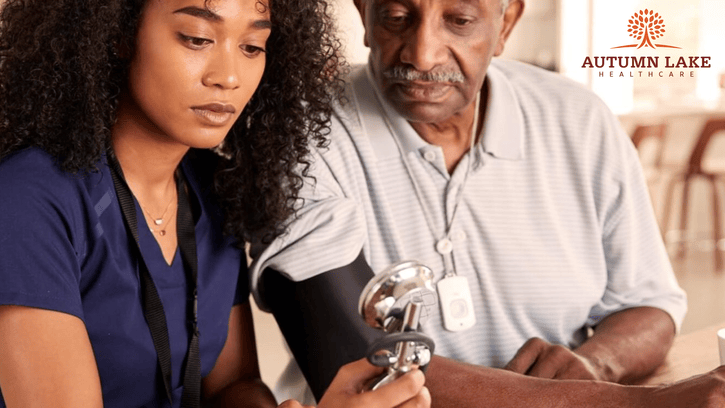
Nursing homes provide four primary types of rehabilitation services: physical therapy to restore mobility, occupational therapy to assist with daily living tasks, speech therapy for communication and swallowing disorders, and specialized clinical care for complex medical recoveries. These services are specifically designed to help patients transition from a hospital setting back to their homes safely by regaining strength and independence.
The journey toward recovery after a surgery, illness, or injury requires more than just rest; it demands a structured clinical environment. At a modern Nursing Home center, the focus is on intensive, short-term intervention. These facilities bridge the gap between acute hospital stays and returning to a full, active life by offering a multidisciplinary approach that ensures every aspect of a patient’s health, physical, and cognitive is addressed simultaneously.
The Core Trio: Primary Rehabilitation Modalities
To understand how recovery works, it is essential to break down the three pillars of therapy. Most residents receive a combination of these tailored to their specific recovery plan. This integrated approach is what defines high-quality nursing homes & elder care today. Rather than treating a symptom in isolation, therapists work together to ensure that a gain in leg strength translates into the ability to safely navigate a home environment.
1. Physical Therapy (PT)
Physical Therapy focuses on gross motor skills, balance, and overall physical strength. For many seniors in the Howell, NJ area, PT is the cornerstone of post-operative care, especially after joint replacements. The primary goals of PT include walking independently, climbing stairs, and vital fall prevention techniques. To achieve this, therapists utilize specialized equipment such as parallel bars, resistance bands, and ultrasound therapy to reduce inflammation and promote tissue healing.
2. Occupational Therapy (OT)
While PT focuses on movement, Occupational Therapy focuses on the practical tasks of daily life. This includes fine motor skills and “Activities of Daily Living” (ADLs). The goal of OT is to ensure a resident can feed themselves, get dressed, and perform grooming tasks without assistance. This often involves training with adaptive tools like reachers, button hooks, and specialized kitchen utensils. For a resident transitioning back to their favorite neighborhood in Howell, these skills are the difference between needing 24/7 home care and living independently.
3. Speech and Language Pathology (SLP)
Speech therapy involves communication, cognition, and “Dysphagia” (swallowing) management. After a stroke or neurological event, a patient may struggle to process language or safely swallow food. SLP works to strengthen the muscles of the throat and the neural pathways of the brain, ensuring that residents can communicate their needs and enjoy meals safely. This service is a standard offering in reputable Nursing Homes that prioritize comprehensive recovery.
Comparison of Inpatient Rehab vs. Standard Nursing Care
Many families searching for rehab homes confuse general nursing care with intensive rehabilitation. It is important to distinguish between the two to set proper expectations for recovery timelines and intensity.
| Feature | Skilled Rehabilitation | Long-Term Nursing Care |
| Primary Goal | Recovery and Discharge | Maintenance and Quality of Life |
| Therapy Intensity | 1–3 hours per day | As needed for maintenance |
| Physician Oversight | Frequent weekly check-ins | Monthly or as needed |
| Typical Duration | 20 to 100 days | Indefinite |
A Rehabilitation center within a nursing home environment is a high-intensity clinical setting. It is designed for those who have a specific goal of returning home. During a recent audit for a healthcare partner in a local Howell neighborhood, data showed that patients who engaged in daily structured rehab saw a significantly higher rate of successful home discharge compared to those in less structured environments.
Debunking the Myth: “Rehab is Only for Seniors After a Fall”
A common industry misconception is that rehabilitation services are exclusively for elderly patients who have suffered a broken hip. This narrow view often prevents people from seeking the care they need. Modern rehabilitation serves a diverse range of needs, including post-surgical recovery for knee, hip, or cardiac procedures. It also provides critical support for neurological events like strokes or Parkinson’s disease flare-ups.
Our Philosophy of Care
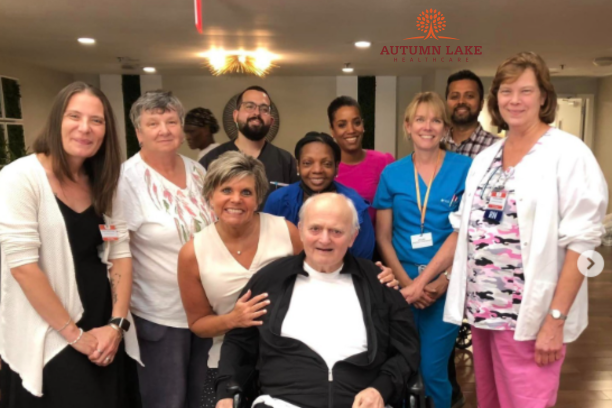
At our facility, we don’t just provide exercises; we follow a specific standard of excellence. We provide compassionate nursing home and rehabilitation services designed to promote comfort, healing, and quality of life. Our dedicated team of caregivers and medical professionals delivers personalized support in a warm, welcoming environment where residents can recover, regain strength, and feel truly cared for. This ensures that while the body is working hard in the gym, the patient is supported by a team that understands their personal goals and emotional needs.
Specialized Clinical Services
Beyond the standard “big three” therapies, a comprehensive facility provides high-acuity clinical support that many outpatient centers cannot offer. These services are vital for patients with complex medical backgrounds who require 24/7 monitoring.
- Wound Care: Specialized nursing for post-surgical incisions or chronic pressure ulcers.
- IV Therapy: The administration of essential antibiotics or hydration without the need for a hospital stay.
- Pain Management: A multimodal approach to reduce reliance on opioids while ensuring the patient is comfortable enough to participate in therapy.
When looking at various rehab homes, it is this level of clinical sophistication that ensures a safe recovery. For residents throughout Howell, NJ, having access to these specialized services locally means that family members can visit frequently, which is a key component of the psychological healing process.
Frequently Asked Questions
How long does the average stay in a rehab nursing home last?
Most short-term rehabilitation stays last between 20 and 100 days, depending on the severity of the injury and the patient’s progress toward their therapy goals.
Will Medicare cover rehabilitation in a nursing home?
Medicare typically covers 100% of the cost for the first 20 days of skilled nursing care following a qualifying hospital stay, with partial coverage extending up to 100 days.
Can I choose which nursing home I go to for rehab?
Yes, patients have the right to choose their facility. It is often recommended to tour a facility prior to a scheduled surgery to ensure its programs align with your needs.
To Sum Up
At Autumn Lake Healthcare, we are committed to your return to independence. Our team understands that every recovery is unique, and we are here to provide the clinical expertise and warm, personalized care you deserve. Experience a place where healing and comfort go hand in hand. If you need more information about our services, contact us to schedule a tour today!